Product Category
Sintered Mesh &
Fiber Felt Filters
High-temperature, high-pressure stainless steel filtration — manufactured via diffusion bonding for maximum structural integrity and consistent performance.
Product Category
High-temperature, high-pressure stainless steel filtration — manufactured via diffusion bonding for maximum structural integrity and consistent performance.
About Sintered Filtration
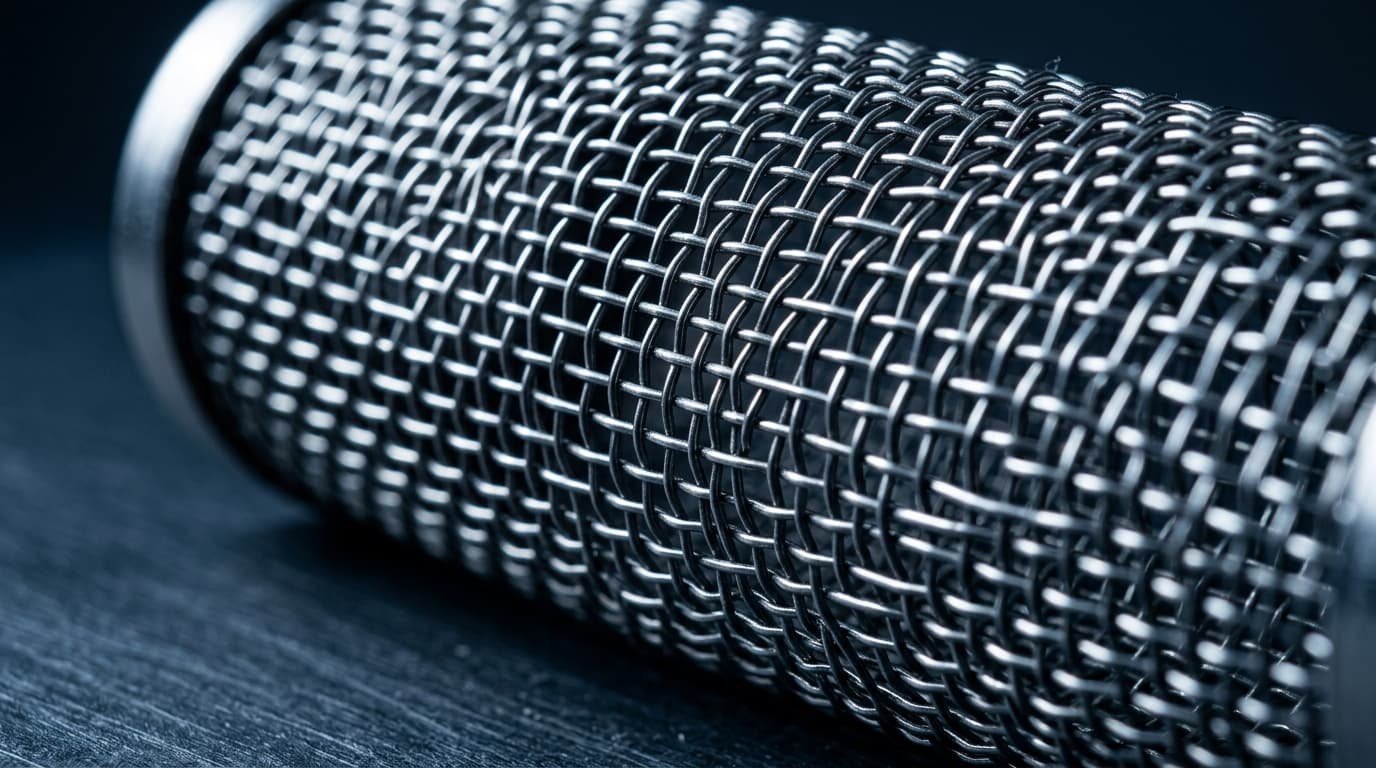
Sintered filters are manufactured through high-temperature diffusion bonding — a process that fuses multiple layers of stainless steel mesh or randomly oriented fibers into a single rigid, porous structure without any binder material. No adhesives. No melting point loss. No compromise on corrosion resistance.
This makes sintered filters the preferred choice for high-temperature chemical processing, hydrocarbon separation, steam filtration, and high-pressure hydraulic systems where conventional filters fail.
Sintered Mesh
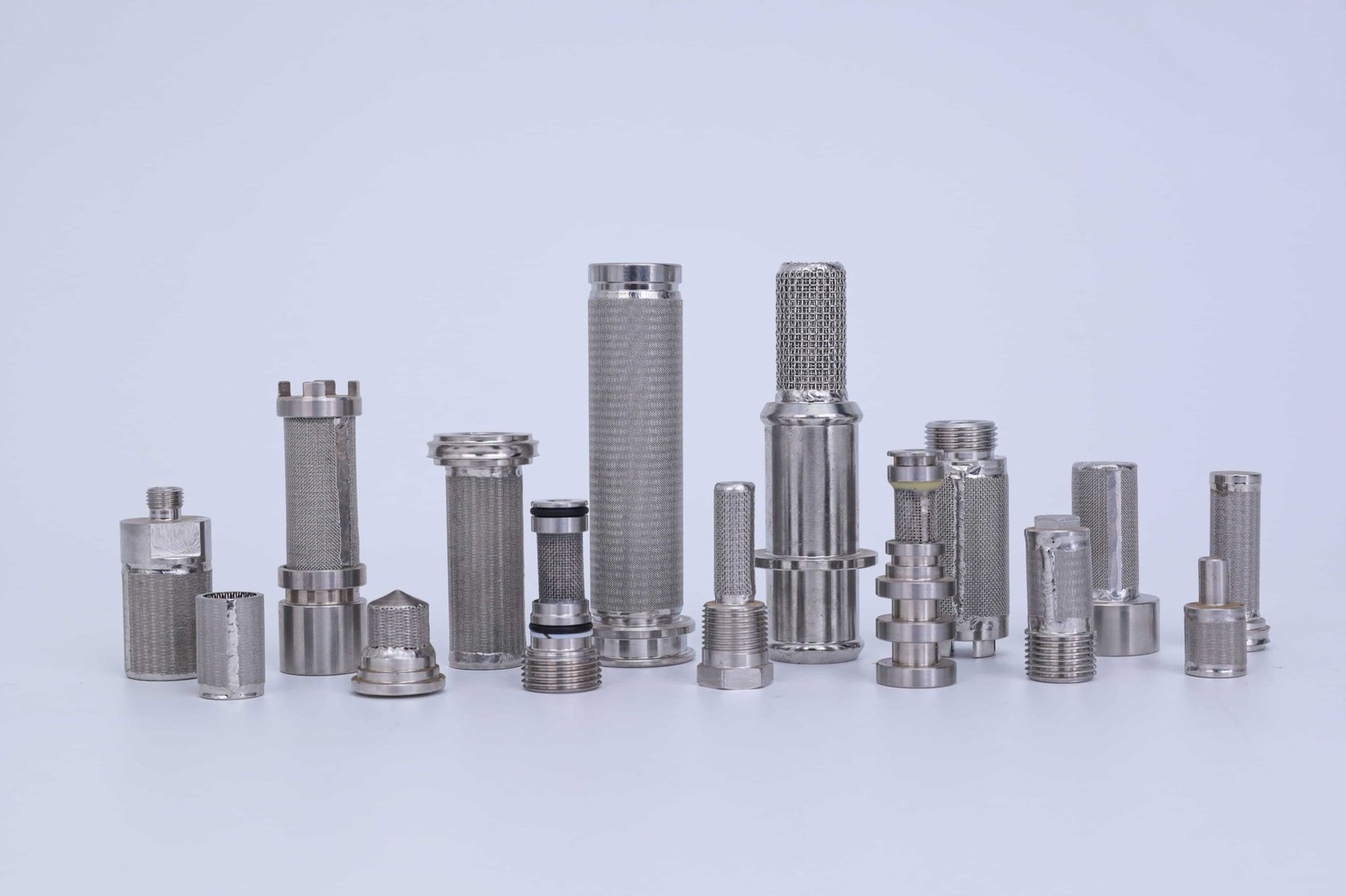
Multi-layer stainless steel wire mesh diffusion-bonded at high temperature into a single rigid structure. Uniform pore distribution, excellent mechanical strength, and consistent filtration accuracy throughout service life.
Sintered Felt
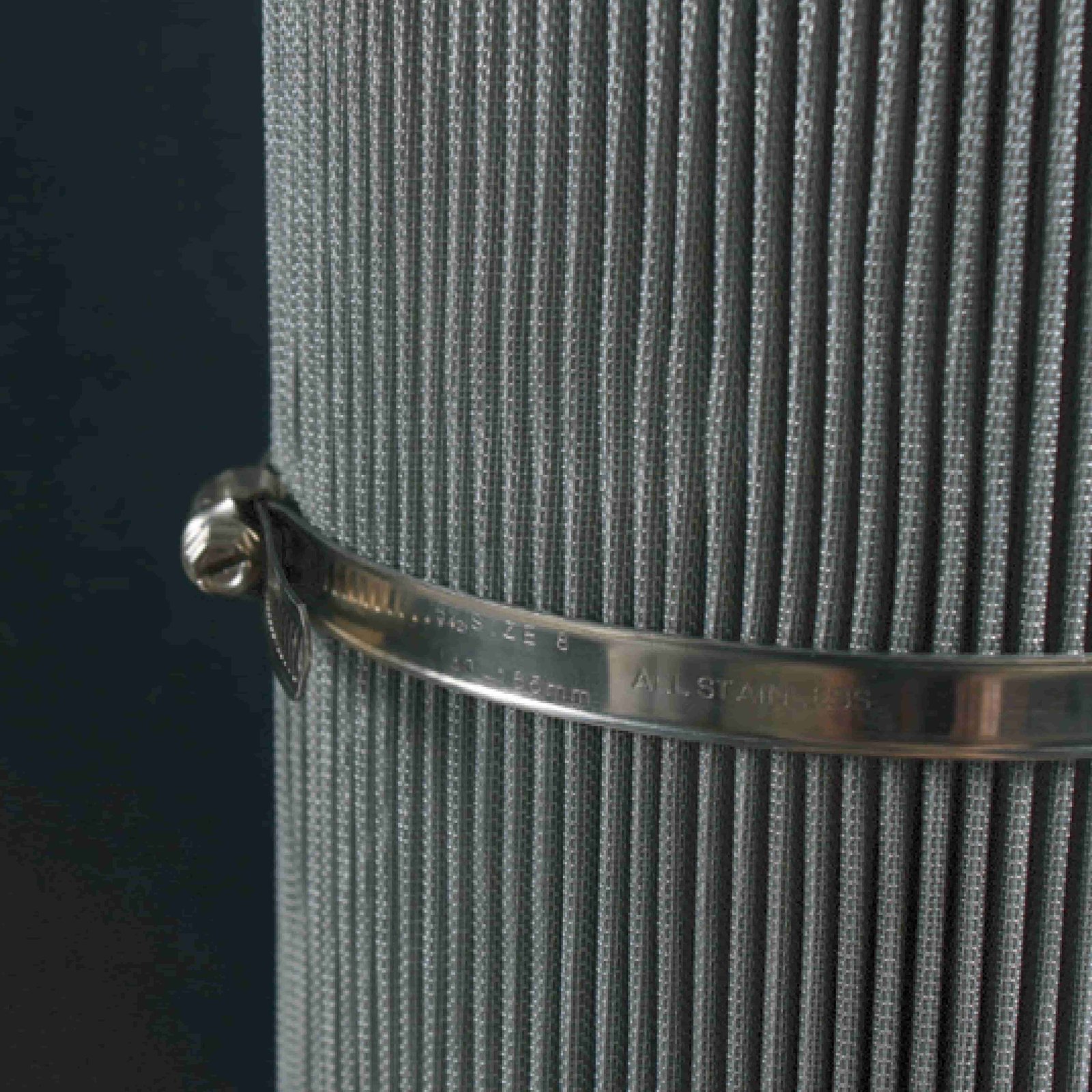
Stainless steel fibers air-laid into a random orientation and then sintered into a porous felt matrix. High porosity, large dirt-holding capacity, and excellent air/gas permeability — ideal for high-temperature dust collection and steam filtration.
Quick Comparison
| Product | Micron Range | Max Temp | Max Pressure | Best For | Structure |
|---|---|---|---|---|---|
| Sintered Mesh | 1-200 um | 600C | 50 bar | High-pressure liquid filtration | Multi-layer woven mesh, diffusion-bonded |
| Sintered Fiber Felt | 0.5-50 um | 600C | 10 bar | Gas filtration, steam, dust collection | Random fiber matrix, air-laid and sintered |
Why SINFT Filter
High-temperature sintering without melting. No binders, no adhesives — solid stainless steel throughout.
Every filter tested for pore size consistency before shipping. Ensures filtration accuracy matches your specs.
Sintered mesh handles up to 50 bar differential pressure. Suitable for hydrocarbon, chemical, and hydraulic systems.
For custom specs after drawing confirmation. No minimum for prototype samples.
Applications
| Industry / Application | Recommended Product | Typical Conditions |
|---|---|---|
| Oil & Gas / Hydrocarbon Processing | Sintered Mesh | High pressure, high temp |
| Chemical Processing | Sintered Mesh / Fiber Felt | Corrosive media, high temp |
| Steam Filtration | Sintered Fiber Felt | Up to 600C, continuous steam |
| Dust Collection / Gas Filtration | Sintered Fiber Felt | High porosity, high air flow |
| Polymer Filtration | Sintered Mesh | High viscosity, high temp melt |
| Pharmaceutical / Food Grade | Sintered Mesh (SS316L) | High purity, passivated surface |
Common questions about sintered filter selection, temperature ratings, and our ordering process.
Need help selecting the right sintered filter?
Our engineering team reviews your application details — temperature, pressure, media, flow rate — and confirms the right configuration before you order.
Talk to an engineer arrow_forwardStandard SS316L sintered mesh rated to 400C. Special alloys (SS310, Hastelloy) extend to 600C. Sintered fiber felt also rated to 600C. Confirm with our team for your specific application conditions.
Sintered mesh: multi-layer woven mesh diffusion-bonded, rigid structure, uniform pore size, best for precise liquid filtration under high pressure. Sintered fiber felt: random fiber matrix, higher porosity and dirt-holding capacity, best for gas/steam filtration and dust collection.
Sintered mesh filters handle differential pressures up to 50 bar due to the multi-layer diffusion-bonded structure. Suitable for high-pressure hydrocarbon processing, chemical plants, and hydraulic systems where conventional filters would collapse.
Every filter undergoes bubble point testing to verify pore size consistency, dimensional inspection against drawings, and passivation treatment. Material certificates (MTR) and inspection reports included. Optional pressure hold tests available on request.
Diffusion bonding (sintering) heats stainless steel mesh layers or fibers below melting point in a controlled atmosphere. Atoms diffuse across layer boundaries, fusing the structure into a single rigid element without any binder material — only solid stainless steel.
Standard: SS316L for most applications. Special alloys: Hastelloy, Titanium, SS310 for high-temperature or chloride-rich corrosive environments.
Initial samples: 48-72 hours after drawing confirmation for standard custom configurations. Complex geometries or new tooling: 5-7 days. No minimum order quantity for prototype samples.
Yes. Backwash cleaning with compatible liquids or compressed air is recommended. For high-temperature applications, thermal regeneration may be applicable. Avoid harsh chemicals that could attack the stainless steel matrix.
Share your technical drawings or specifications — media type, temperature, pressure, flow rate, and required micron rating. Our engineering team will respond with a detailed quote within 24 hours.