Sintered Mesh Filter — SINFT Filter SS316L
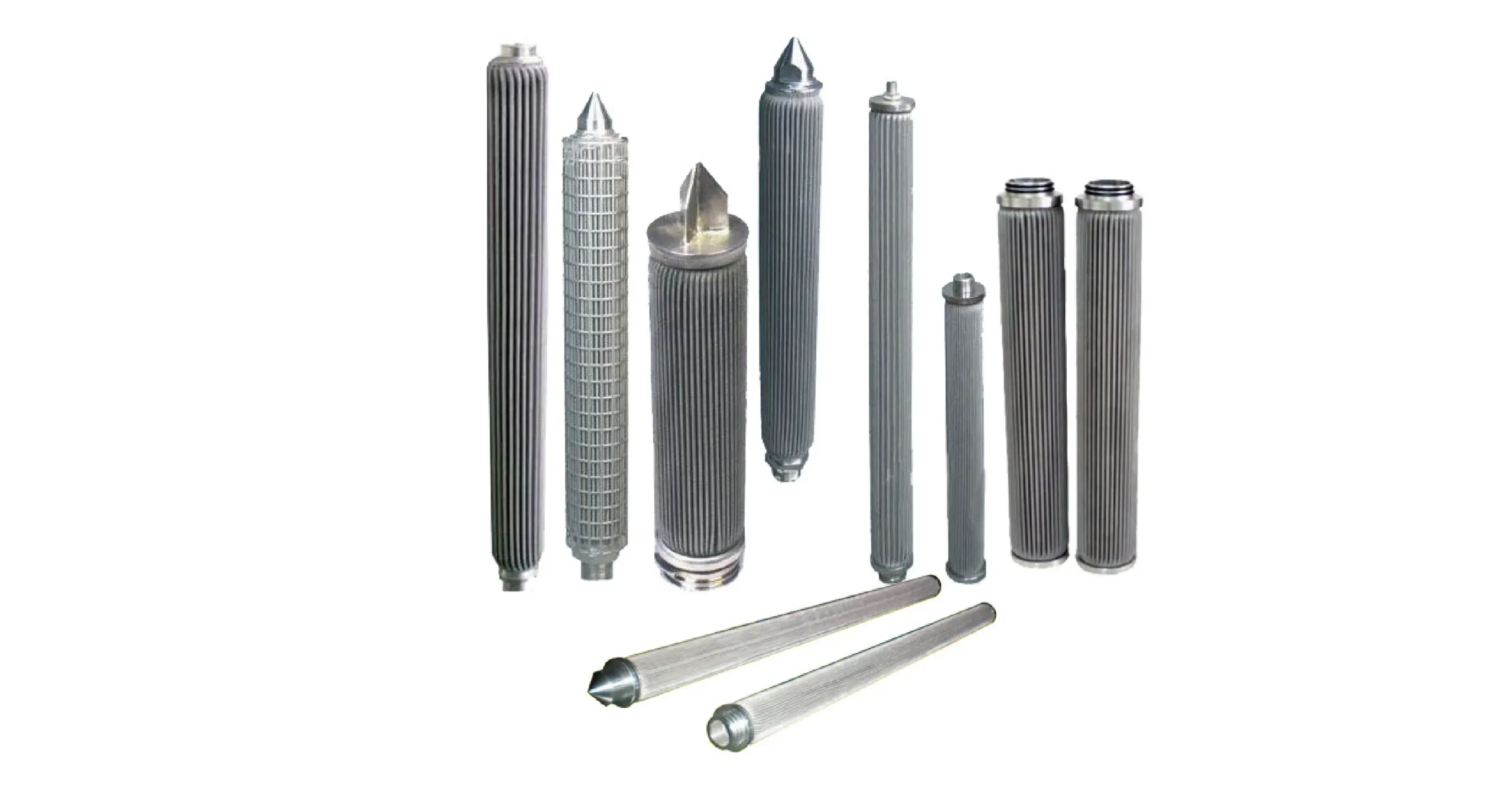
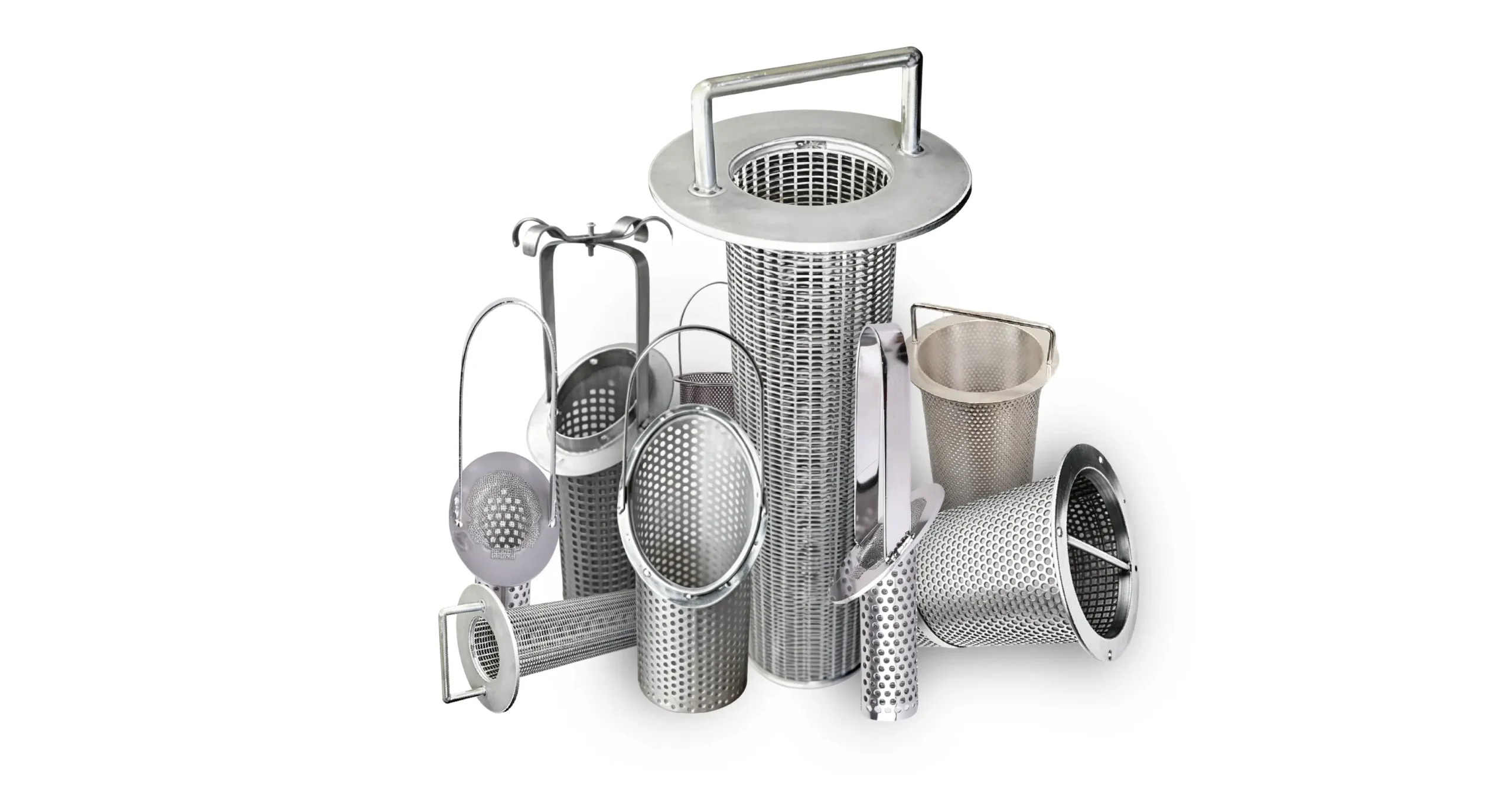
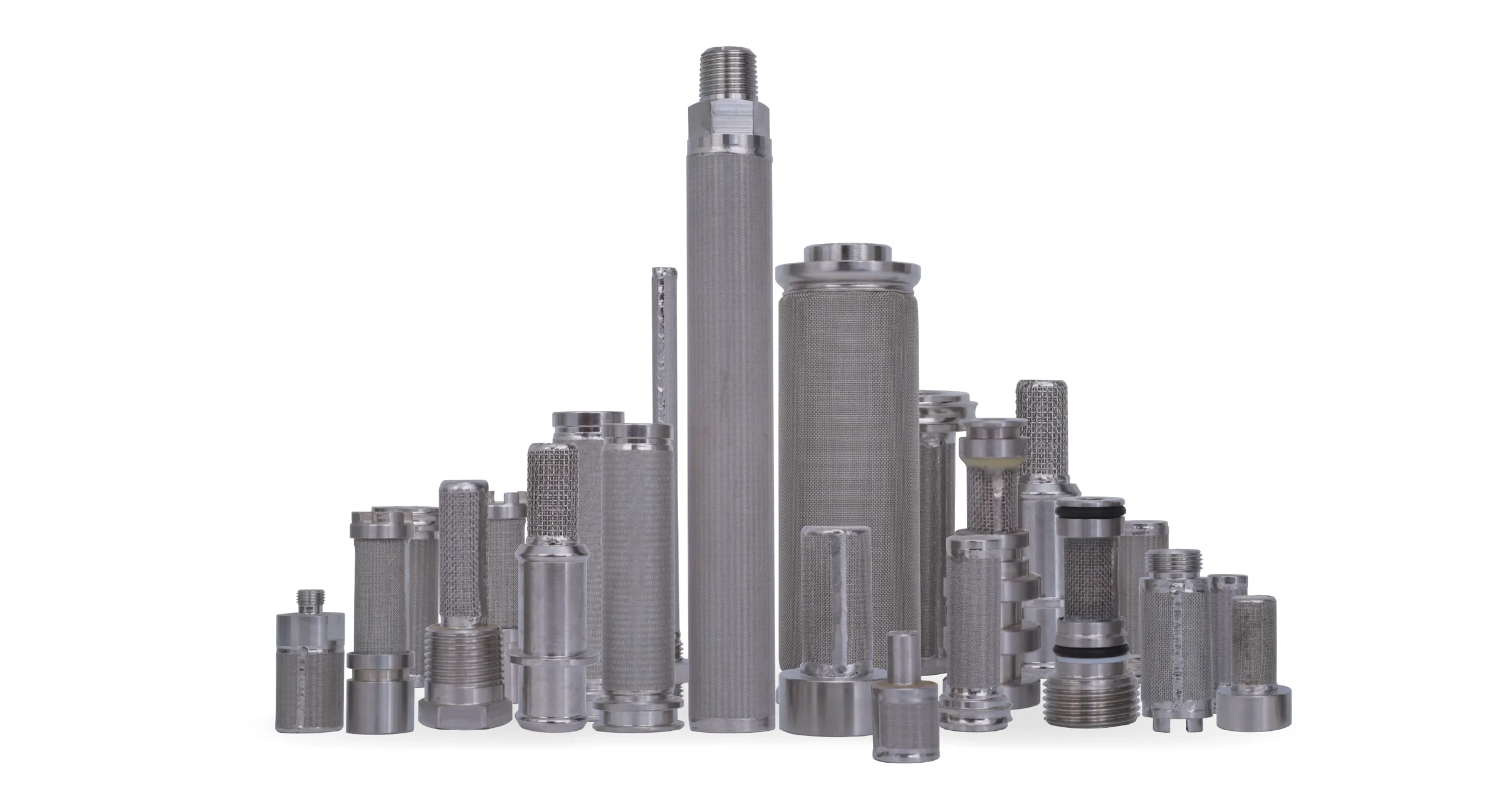
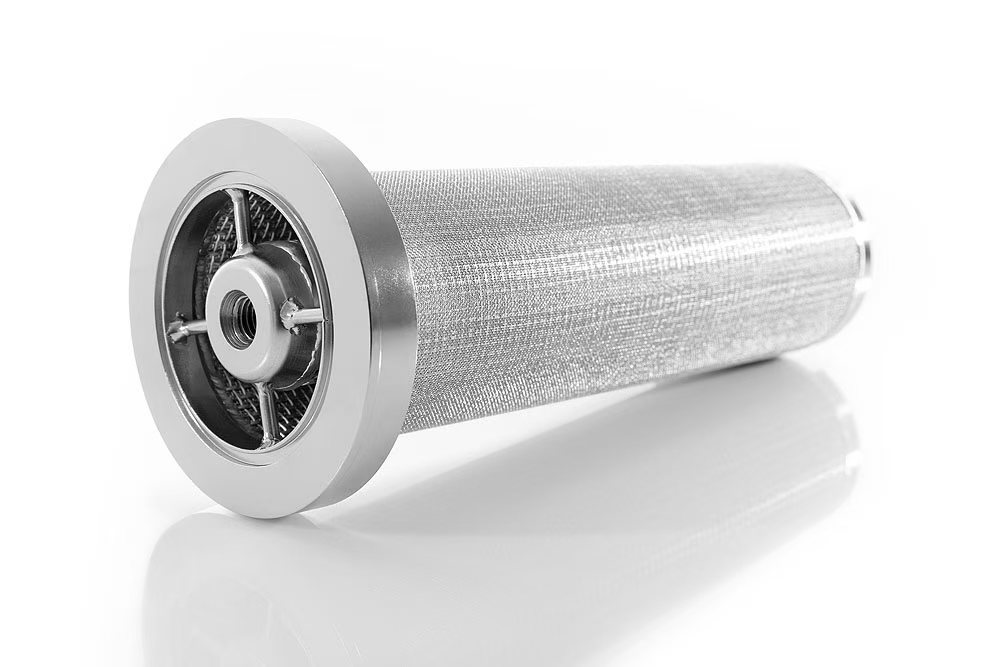
Sintered mesh filter product view 1
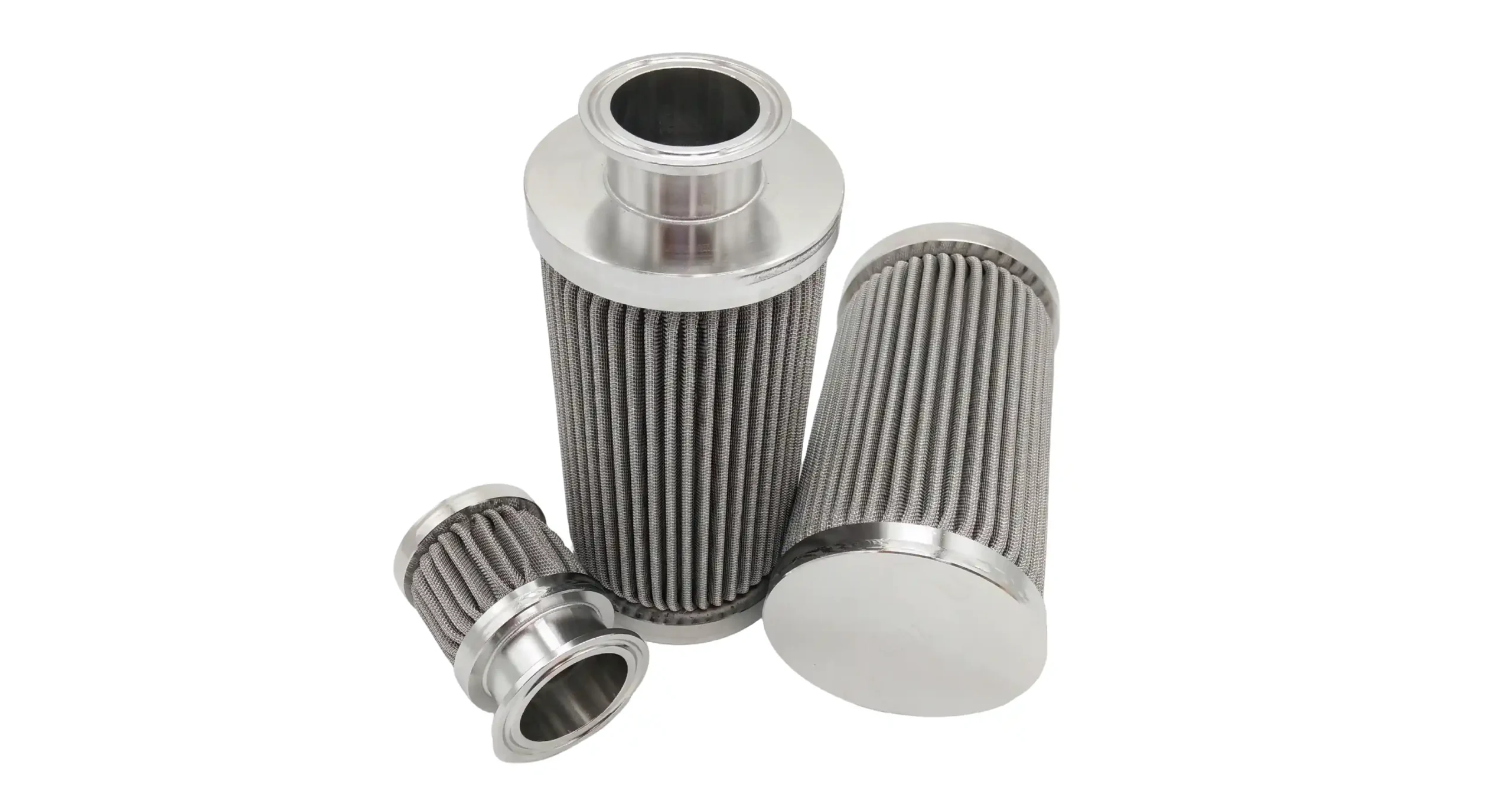
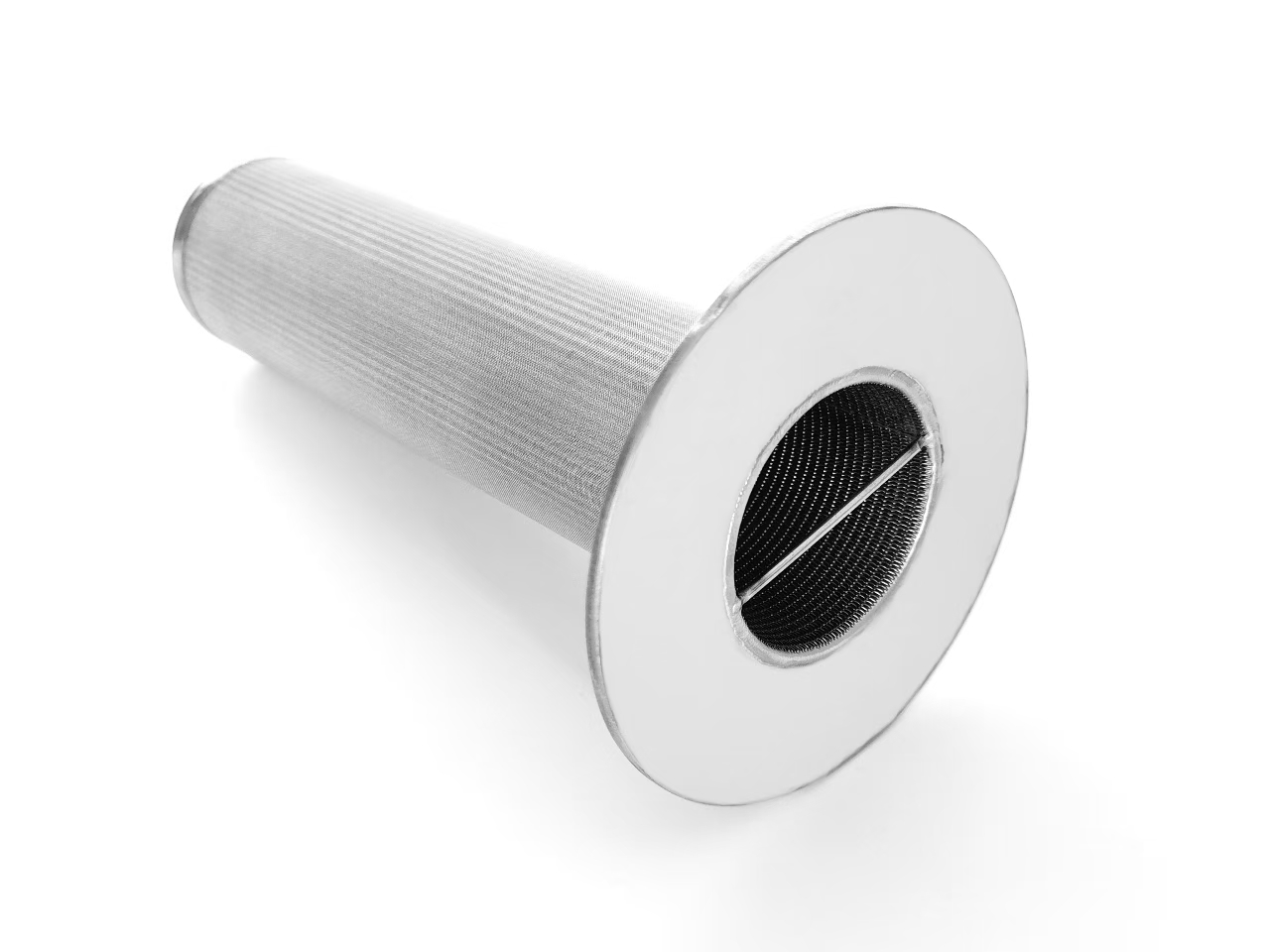
Stainless steel sintered filter cartridge with flange end
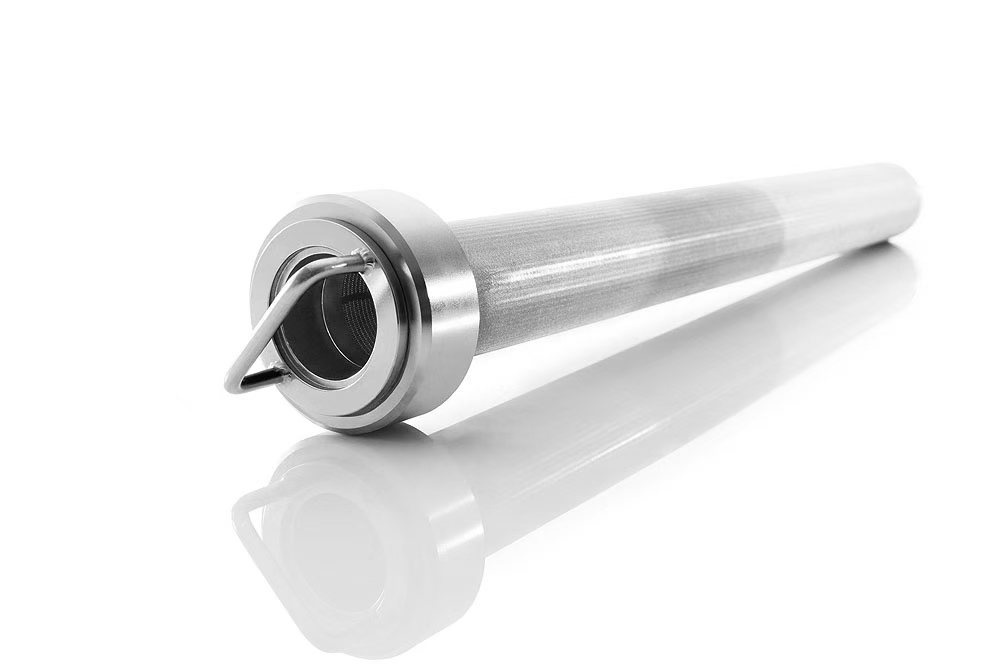
Stainless steel sintered filter cartridge with lifting ring
Stainless steel sintered filter cartridge with open end
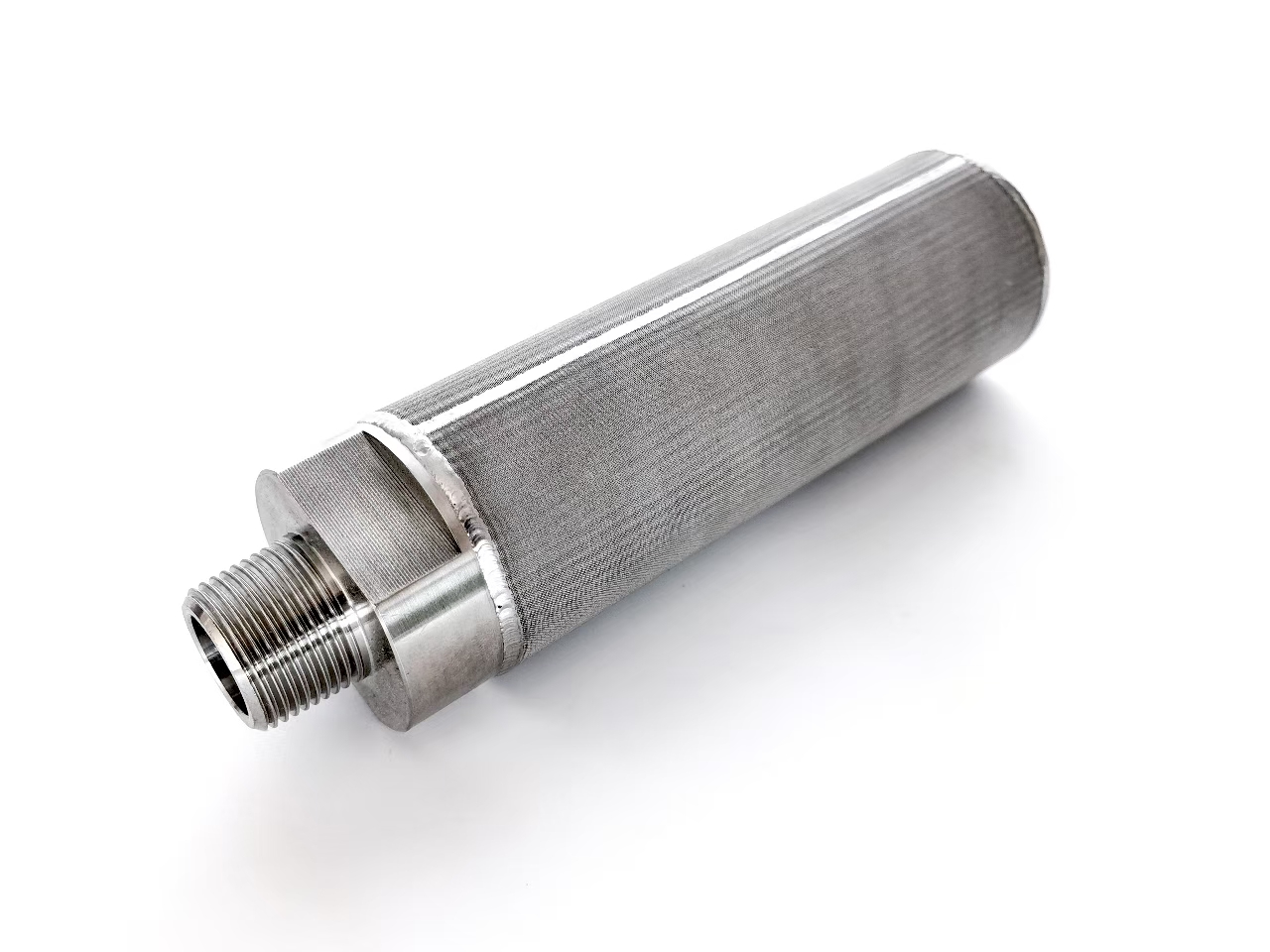
Stainless steel sintered filter cartridge with threaded connection

Sintered Filters — Multi-Layer Series

Sintered Mesh Filter

Stainless Steel Sintered Mesh Filters for High-Pressure Industrial Filtration

SS316L Stainless Steel 1–200 µm Filter Cartridge Wire Mesh Filter -268℃ to +371℃ 250 psid Max DOE / 222 / 226 Reusable
Material
SS316L Multi-Layer Woven Mesh
Filtration Rating
1–200 µm
Operating Temp
-268℃ to +371℃
Max Pressure
Up to 50 bar differential
Filtration Area
0.17 m² per 10"
Length Range
9.75”–40”
ISO Quality Bubble Point Tested OEM Available

Product Overview

Sintered Mesh Filter for
High-Pressure, High-Temperature Industrial Filtration

SINFT sintered mesh filters are stainless steel filtration components made from multi-layer diffusion-bonded wire mesh for chemical, hydrocarbon, polymer melt and high-temperature filtration. They can be manufactured as sintered mesh filter cartridges, filter elements, discs, tubes, cones and custom assemblies. Compared with unsupported woven mesh or standard cylindrical filters, the rigid sintered wire mesh filter structure helps maintain pore stability, mechanical strength and cleanable service life under harsh operating conditions.

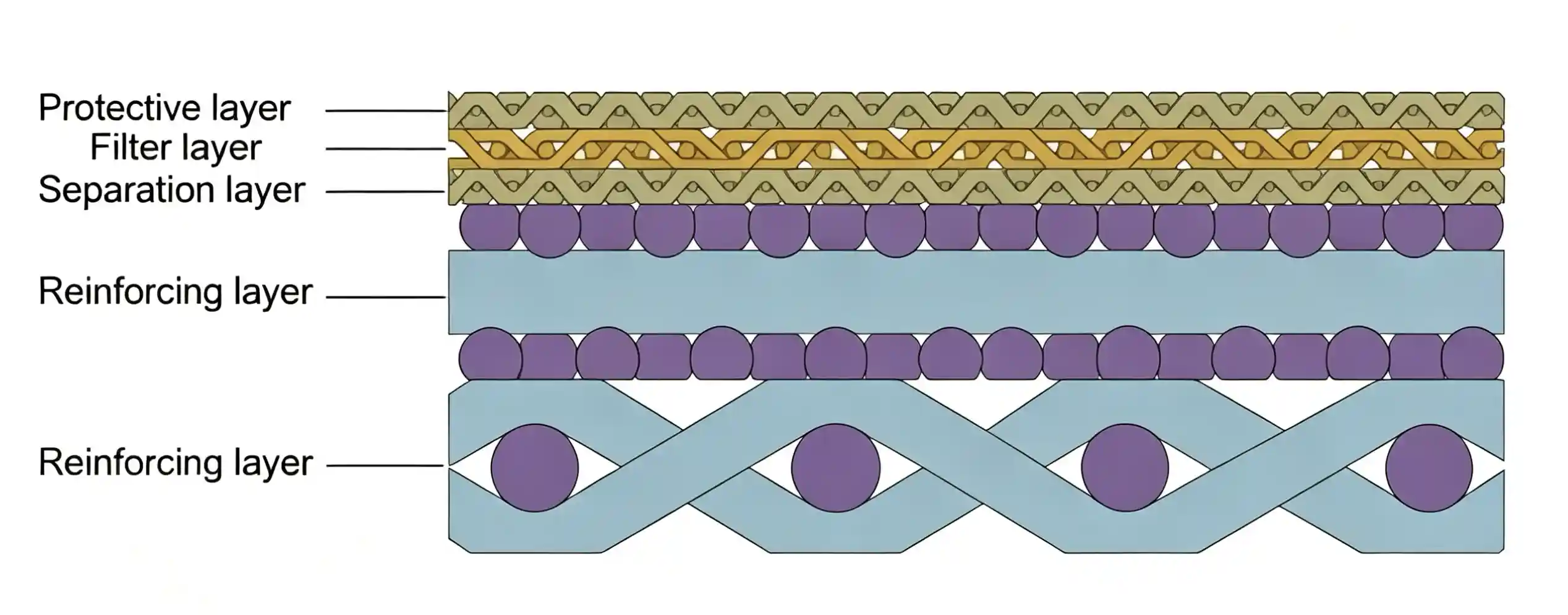
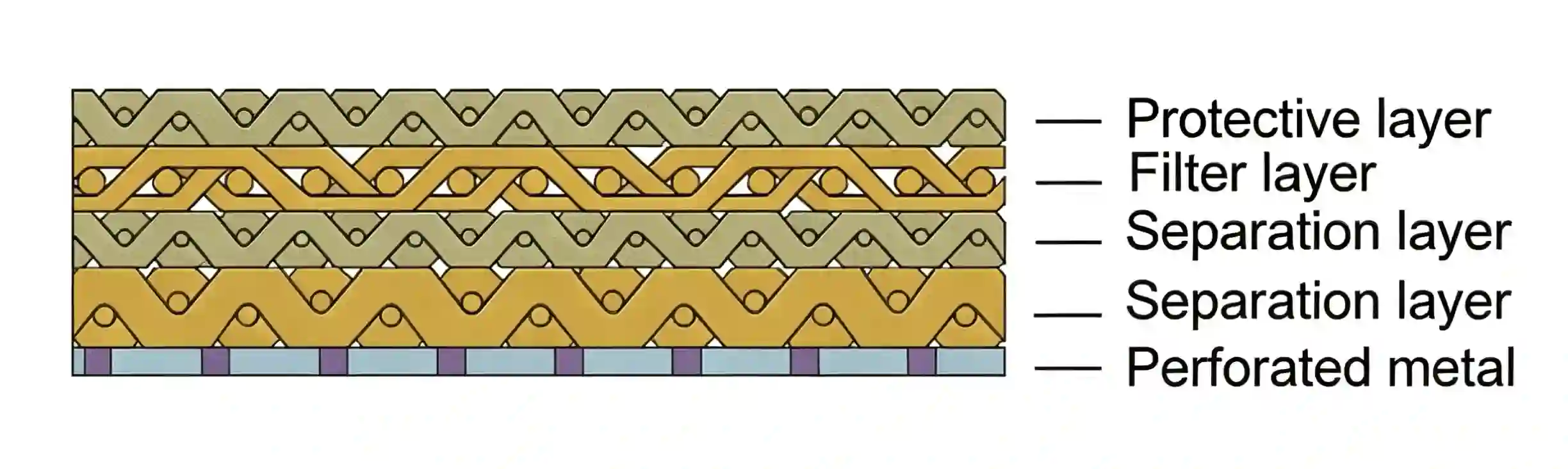
Multiple layers of SS316L woven mesh are stacked and fused at high temperature through atomic diffusion — no binders, no welds — creating a single rigid element with precisely controlled pore distribution. All media, support layers, and structure are constructed from SS316L stainless steel and diffusion-bonded at high temperature for maximum structural integrity and consistent filtration performance across the full service life.
Best for
High-pressure, high-temperature, corrosive fluids, reusable filtration and backwashable stainless steel media.
Not ideal for
Low-cost disposable filtration, certified sterile membrane filtration or heavy dirt-loading jobs where fiber felt depth media is a better fit.
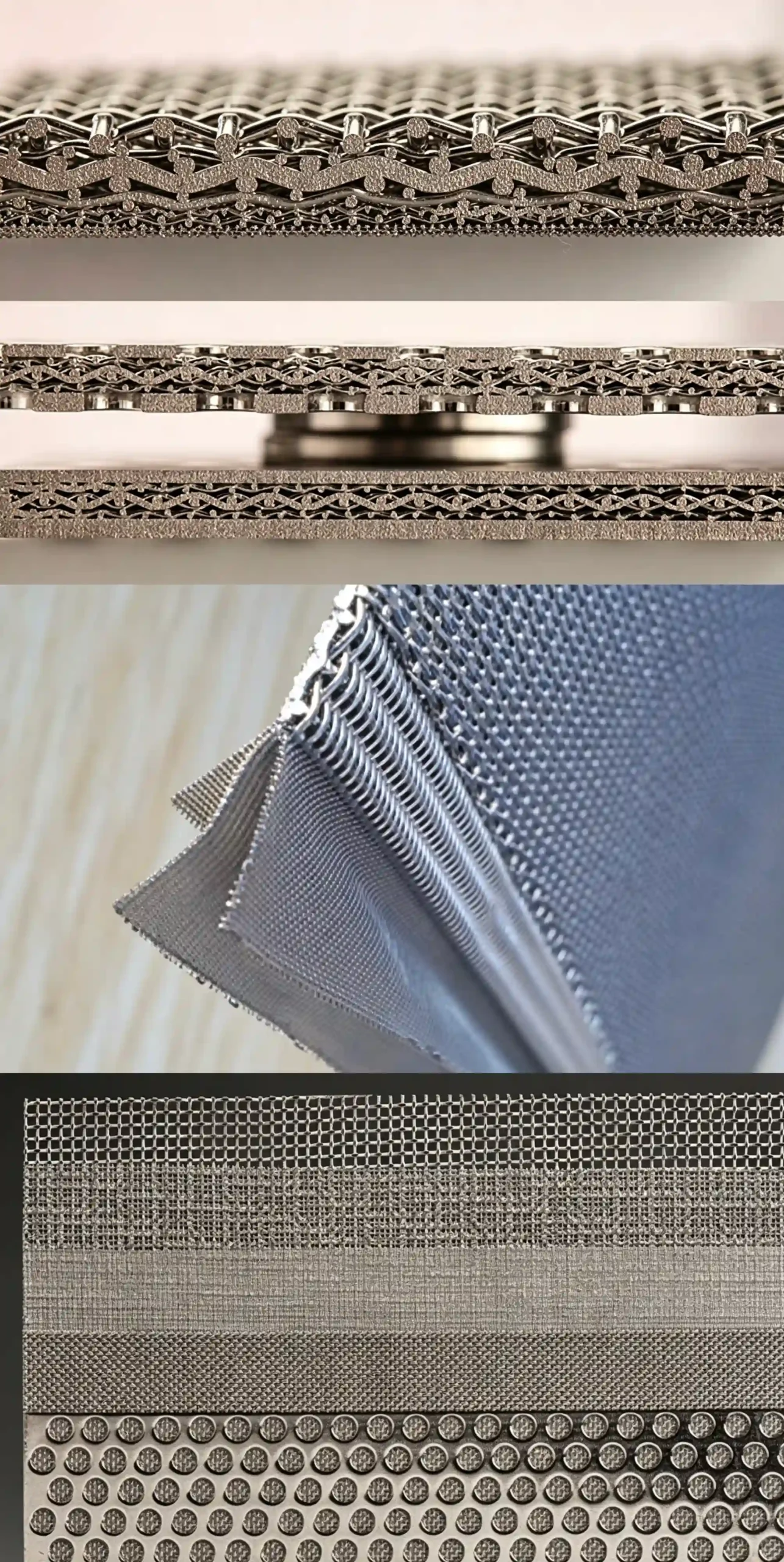
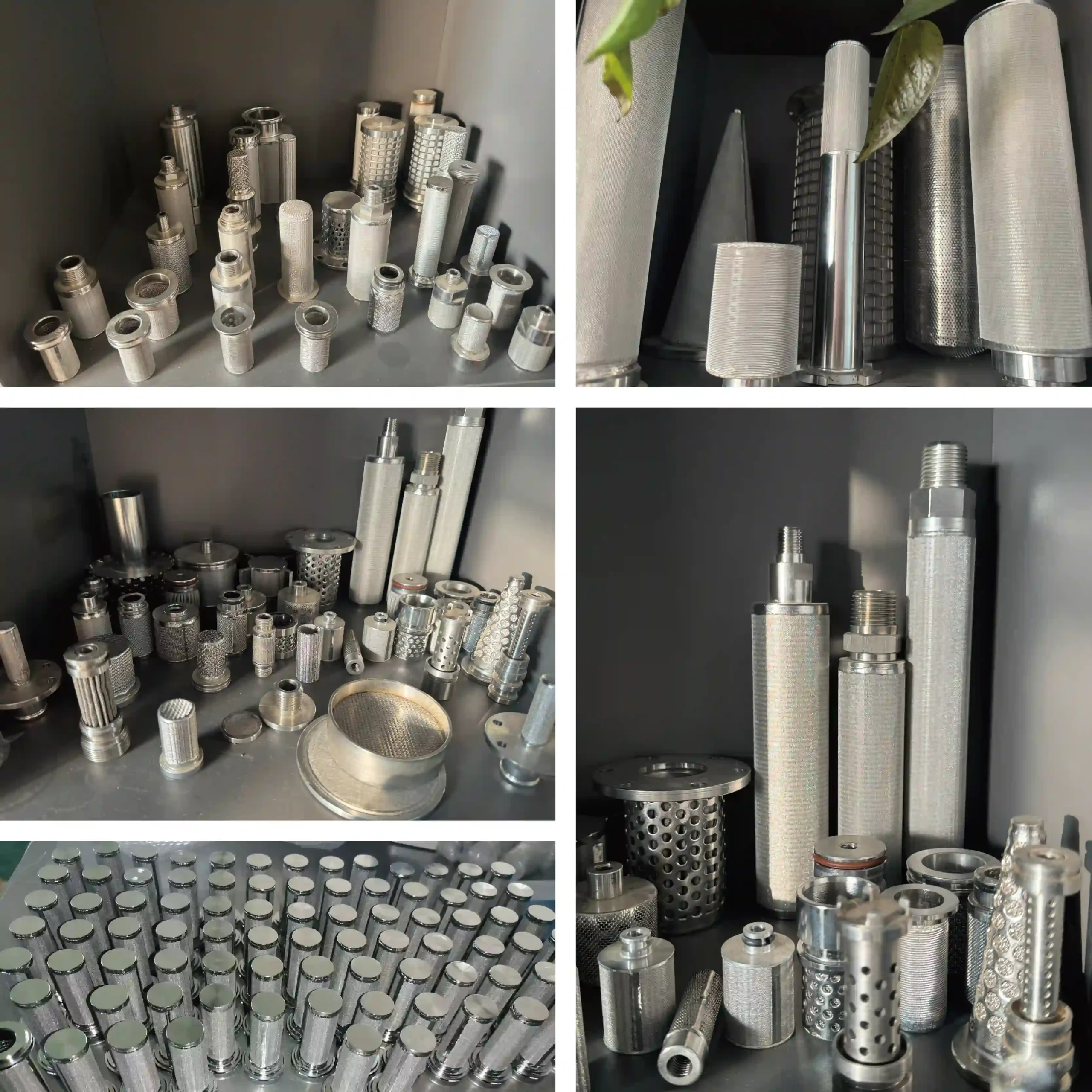
Product display of stainless steel sintered filter cartridges

Sintered Mesh Media

Wire Mesh Weave Options & Sintered Mesh Structures

Select the woven control layer and sintered support structure according to filtration accuracy, flow rate, dirt holding capacity, cleaning method and operating pressure.

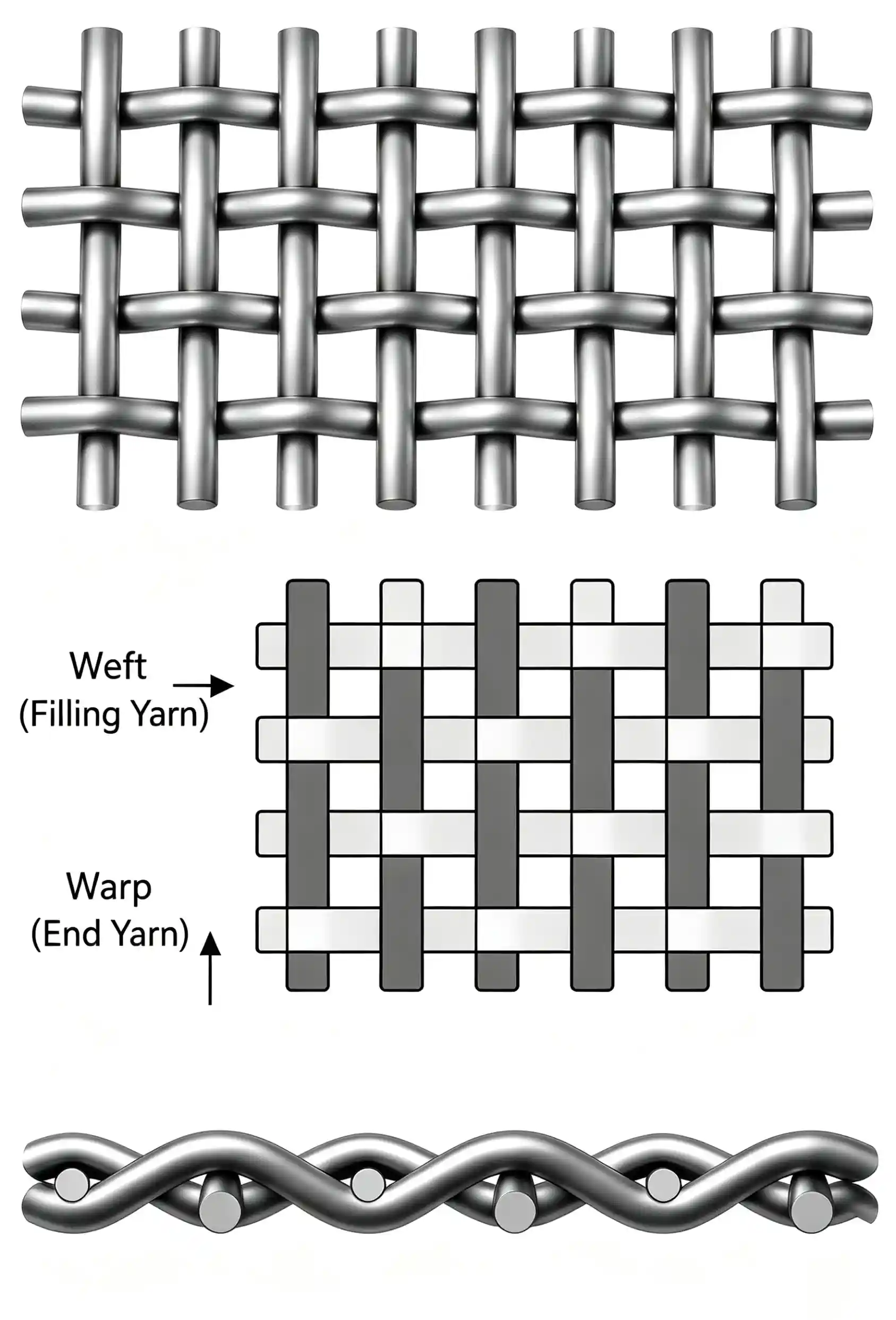
Three Wire Mesh Weaving Methods

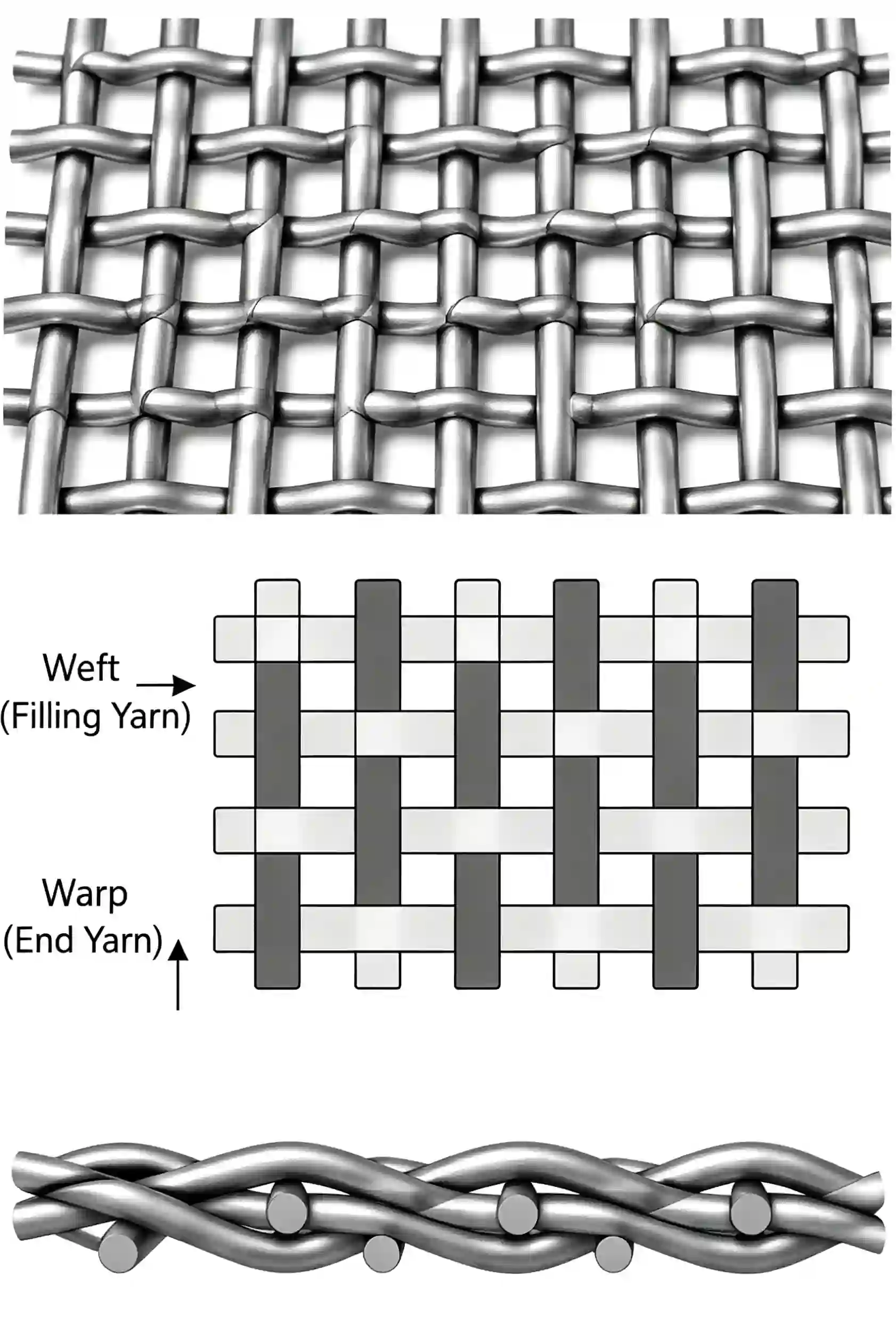
Plain weave wire mesh structure

Plain Weave

Features: The weft yarns interlace over and under the warp yarns in a simple pattern. The structure is simple, the mesh is uniform, the throughput is large, the cost is low, and it is widely used.

Twill weave wire mesh structure

Twill Weave

Features: The weft yarns pass over two or more warp yarns and under two or more warp yarns in succession, forming a diagonal structure. The mesh can be finer, with higher filtration accuracy and strength, and it can handle more dirt.

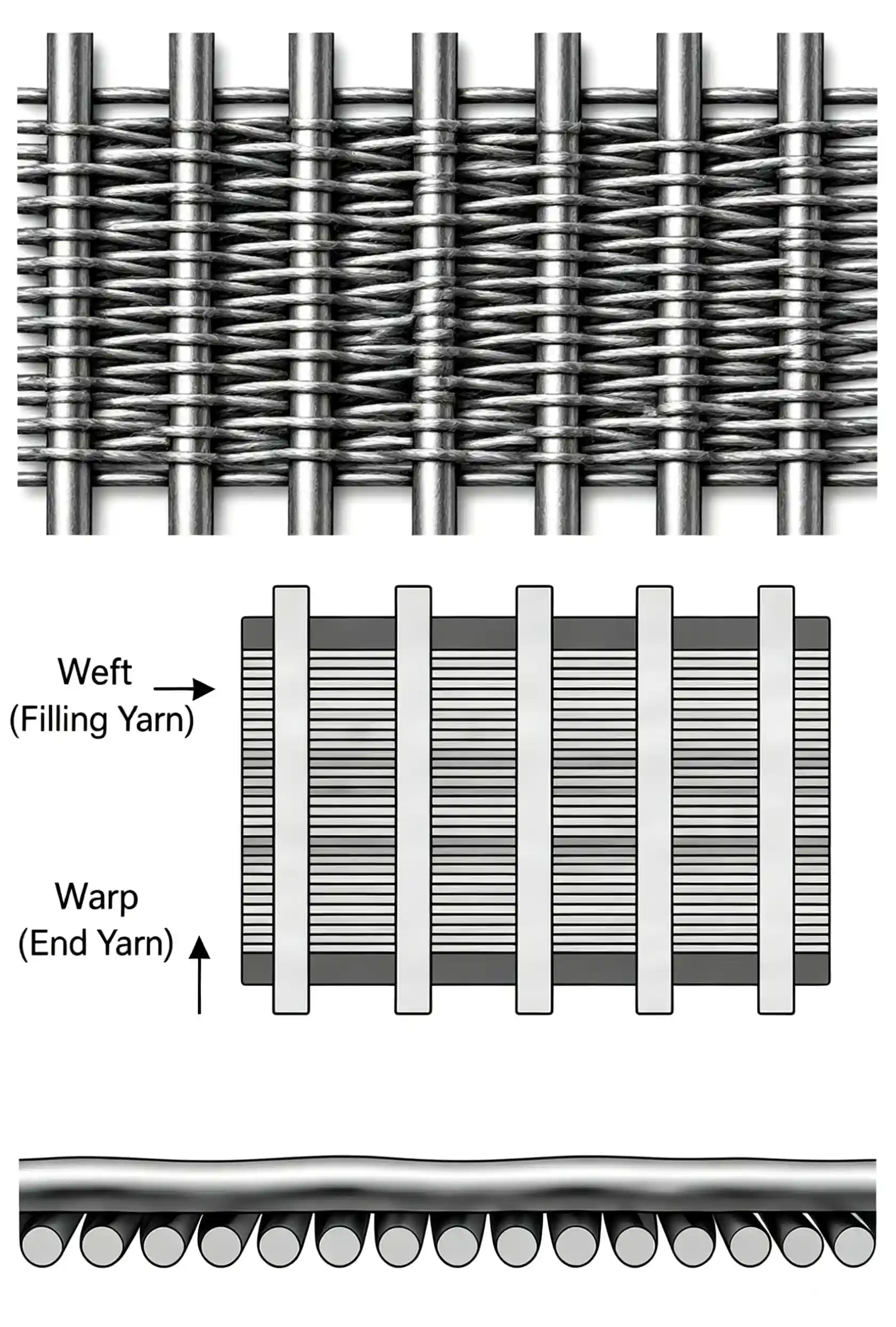
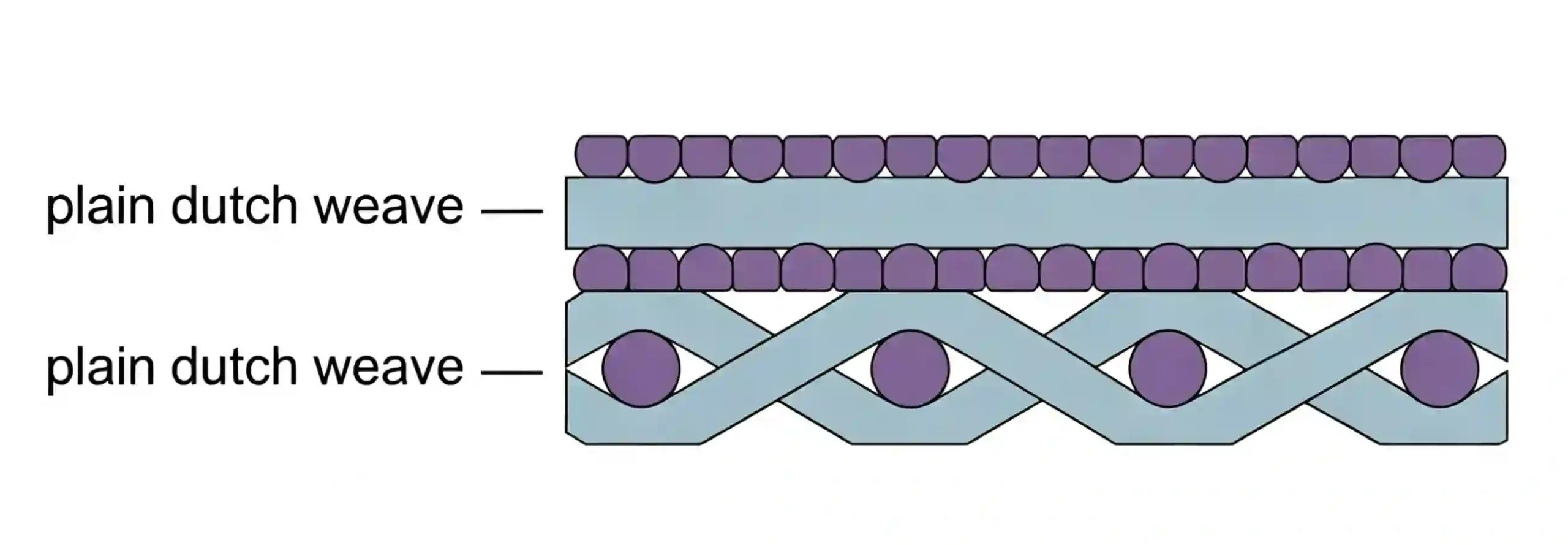
Dutch weave wire mesh structure

Dutch Weave

Features: The weft yarns are thinner, closely packed and orderly arranged, with very high filtration accuracy (micron level), good compression resistance, and suitable for high-precision filtration applications.

Common Sintered Mesh Structures

Standard 5-layer sintered mesh structure

Standard 5-Layer Sintered Mesh

All square weave sintered mesh cross section

All Square Weave Sintered Mesh

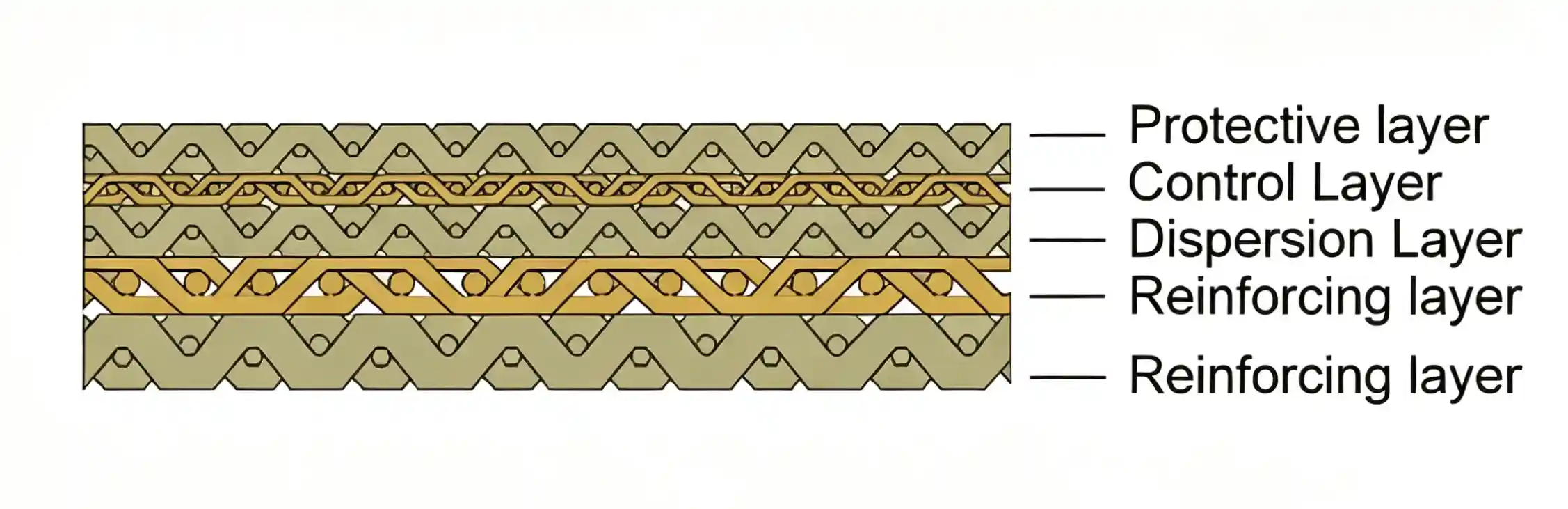
All Dutch weave sintered mesh structure

All Dutch Weave Sintered Mesh

Perforated metal sintered mesh structure

Perforated Metal Sintered Mesh

End Connection Options

Use connection drawings, samples or old-cartridge photos to confirm the end cap style before quotation.

Sintered filter cartridge end connection options

Component Details

Built to Address Customer Concerns

End caps, center tube support and welded construction are designed to improve sealing reliability, flow stability and long-term structural strength.

join_inner

End Caps

  • Stainless steel end caps provide better structural stability under high differential pressure.
  • Precision welded construction replaces adhesive bonding to minimize bypass leakage and maintain stable filtration performance.
density_medium

Center Tube

  • High open-area center support tube design helps reduce system pressure drop and improve flow efficiency.
  • Optimized support structure improves stability for long-term operation in high-flow hydraulic systems.
precision_manufacturing

Welding Process

  • Welded construction is better suited for high-temperature, high-pressure and continuous operating conditions.
  • Precision welding helps reduce the risk of structural failure during long-term service.

Typical Specifications

Custom Configurations Available

Typical technical data is listed below. Final ratings depend on material, layer construction, diameter, length, seal material, flow direction and housing design.

Standard Technical Data

Filter MediaSintered stainless steel woven mesh
Material OptionsSS304 / SS316 / SS316L / Hastelloy / Monel / Inconel
Layer Structure2 to 7 layers; standard five-layer structure available
Filtration Rating1–200 µm, selected by control layer
Thickness Range0.5–5.3 mm for common sintered mesh media
Element FormsTube, cartridge, disc, cone, flat panel, basket, custom assembly
End ConnectionsDOE / 222 / 226 / threaded / flange / custom welded ends
Seal MaterialEPDM / NBR / Viton / Silicone / PTFE / metal seal options

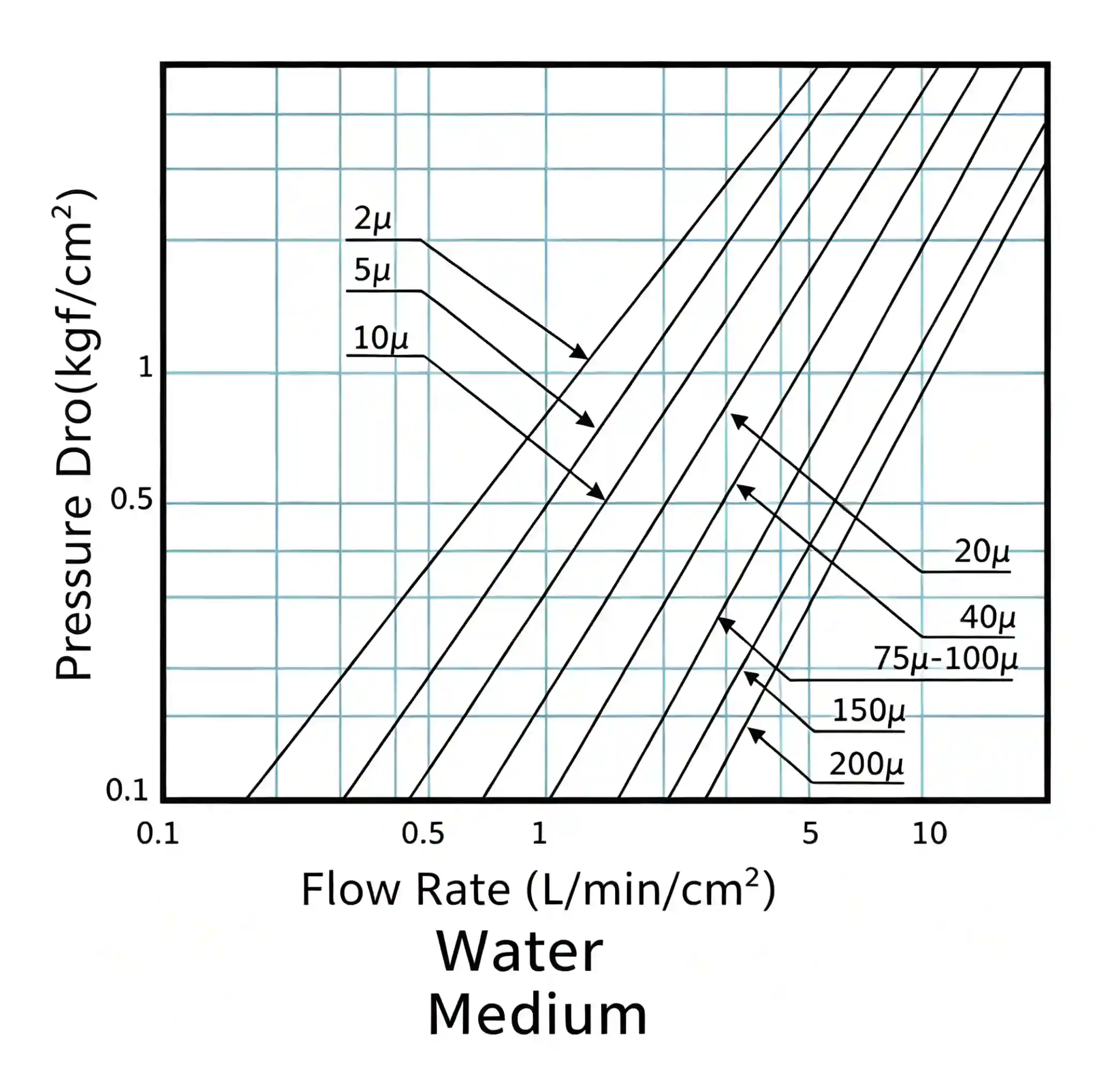
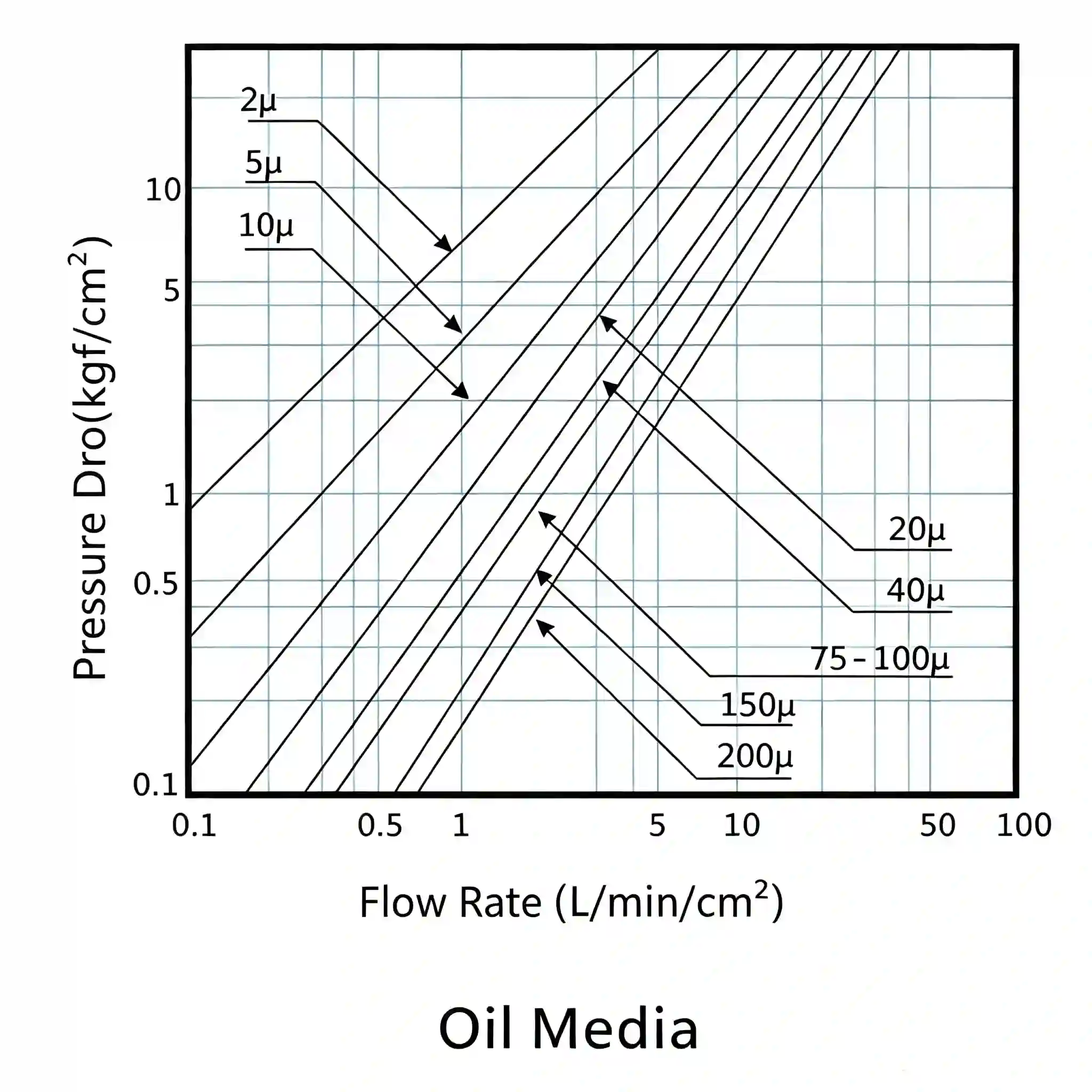
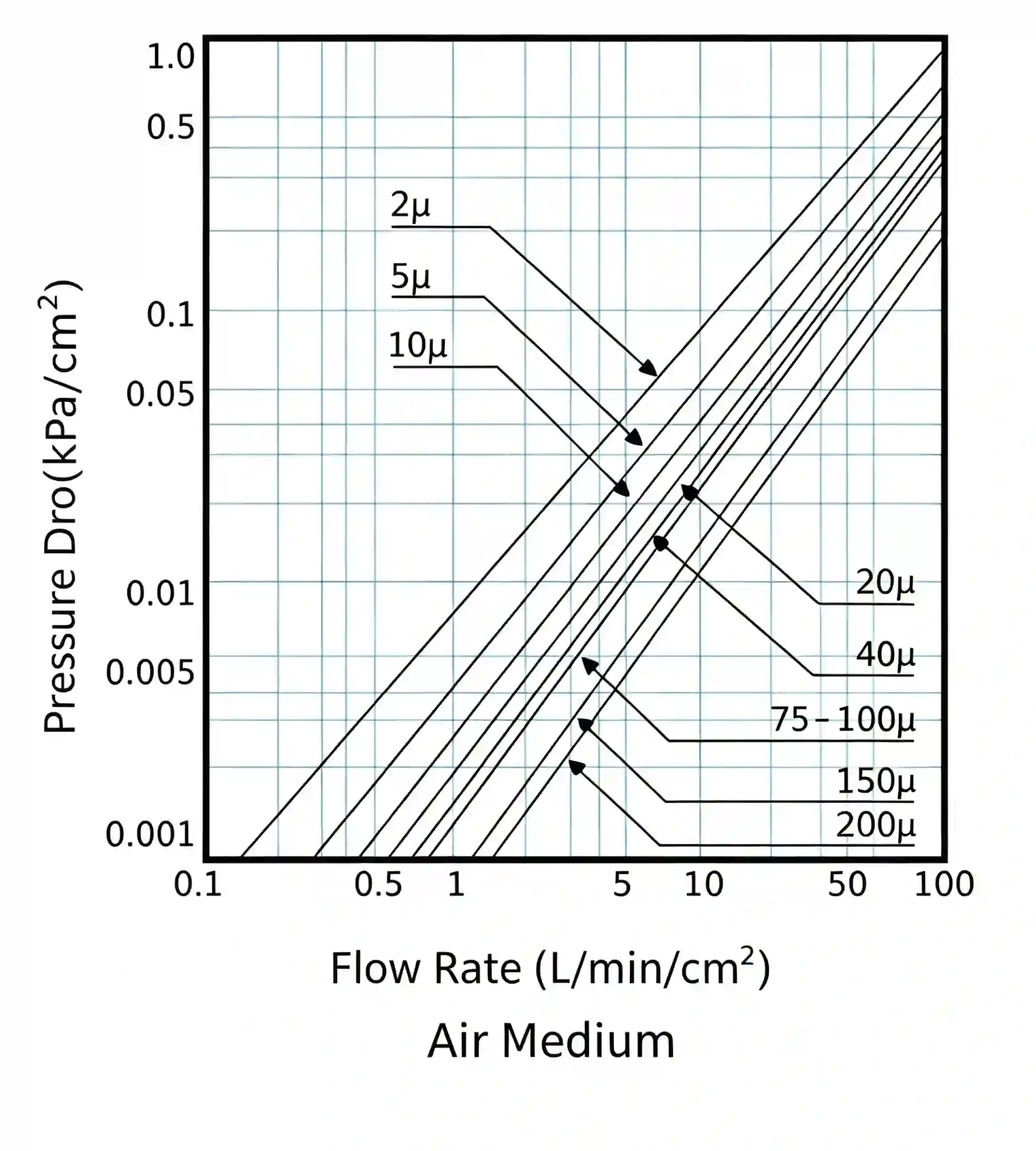
Pressure Drop & Flow Characteristics

Sintered filter cartridge air flow pressure drop curve
Sintered filter cartridge steam flow pressure drop curve
Sintered filter cartridge water flow pressure drop curve

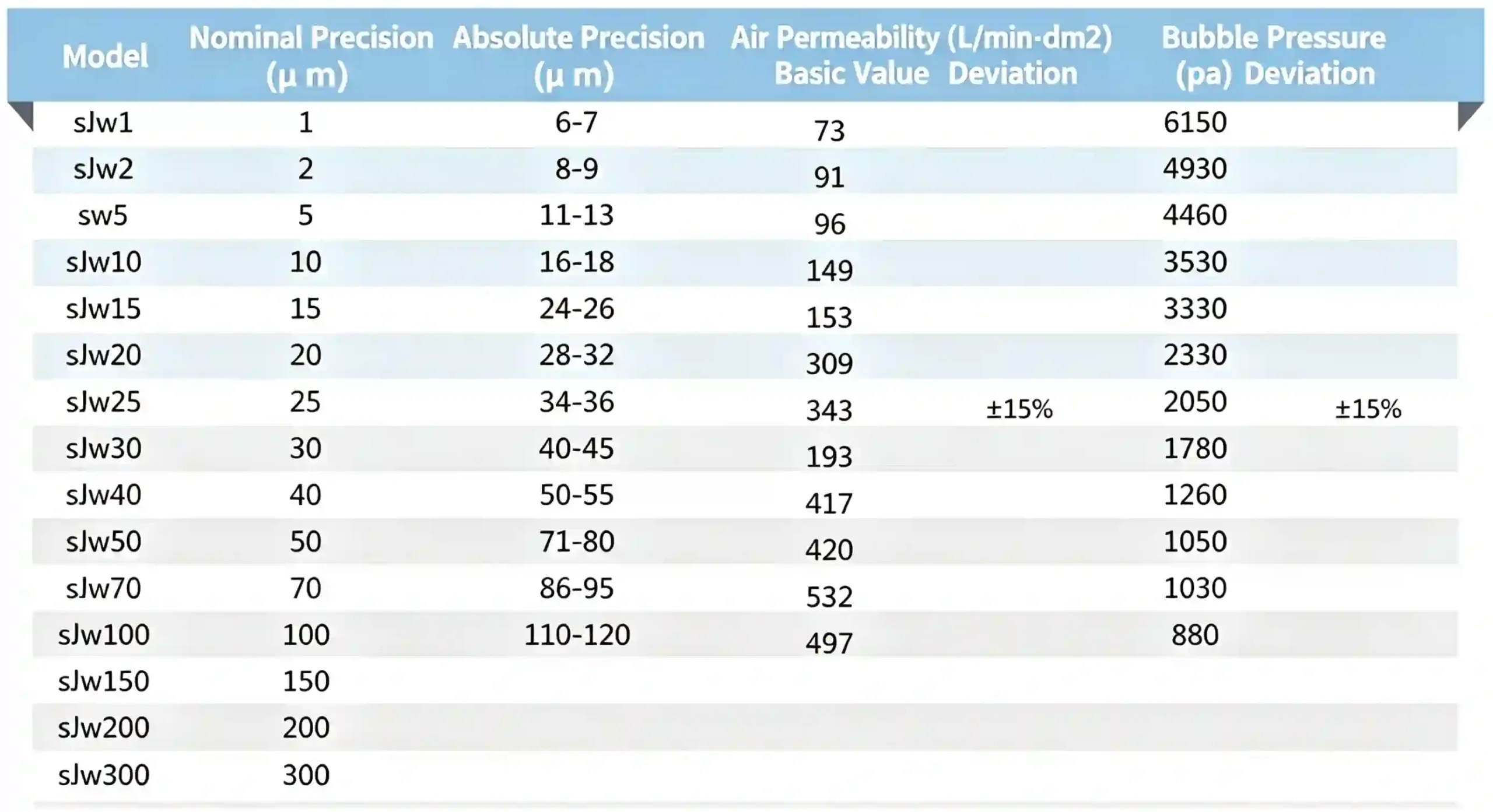
Product Specifications & Technical Parameters

Sintered filter cartridge specification and technical parameter table

Selection Comparison

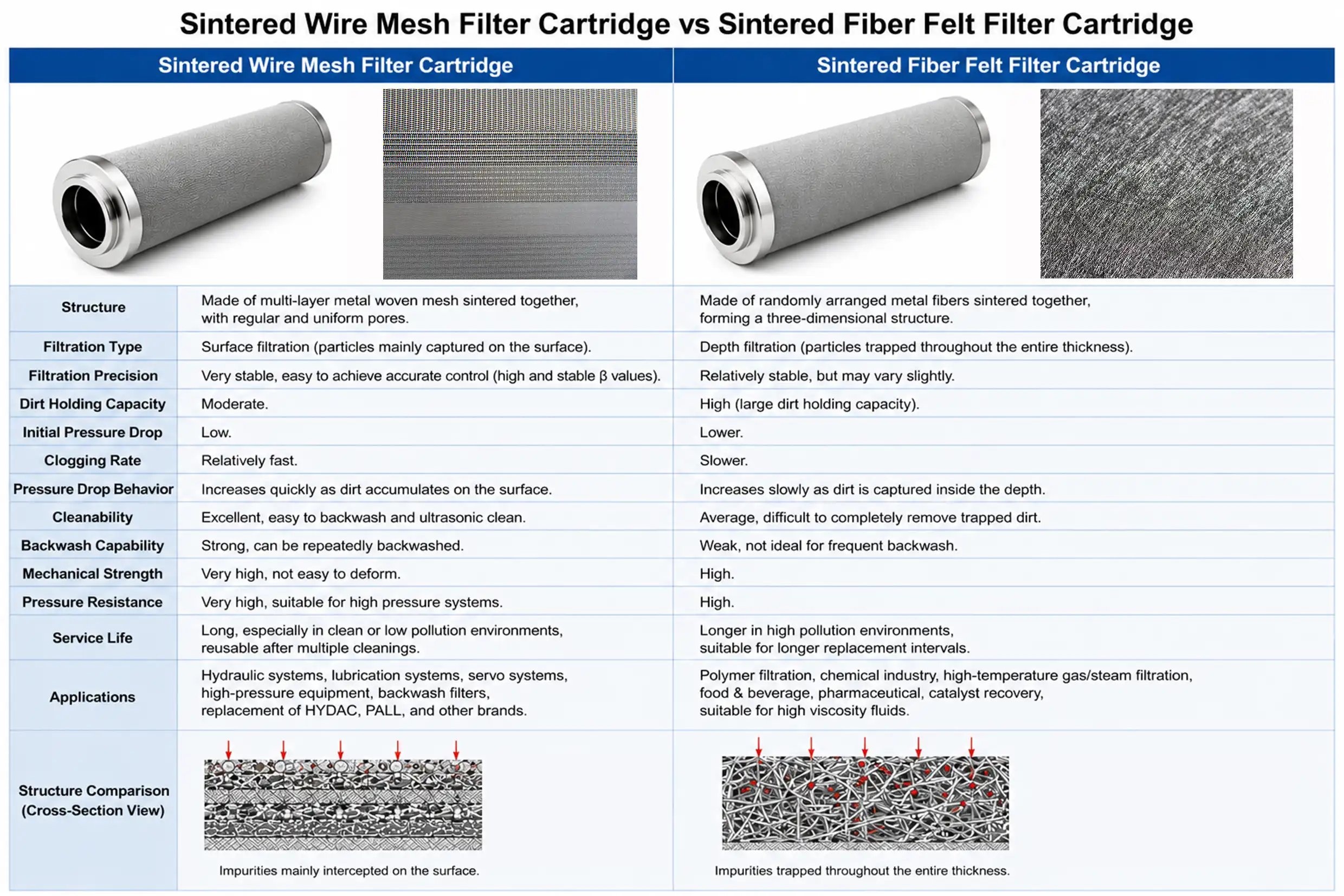
Advantages & Trade-offs — Stainless Steel Sintered Mesh vs Sintered Fiber Felt

Use this comparison as a quick guide when choosing between sintered mesh filter elements and stainless steel sintered fiber felt cartridges for reusable industrial filtration.

Stainless steel sintered mesh filter vs sintered fiber felt filter comparison

Inspection & Test Reports

Testing Equipment & Inspection Records

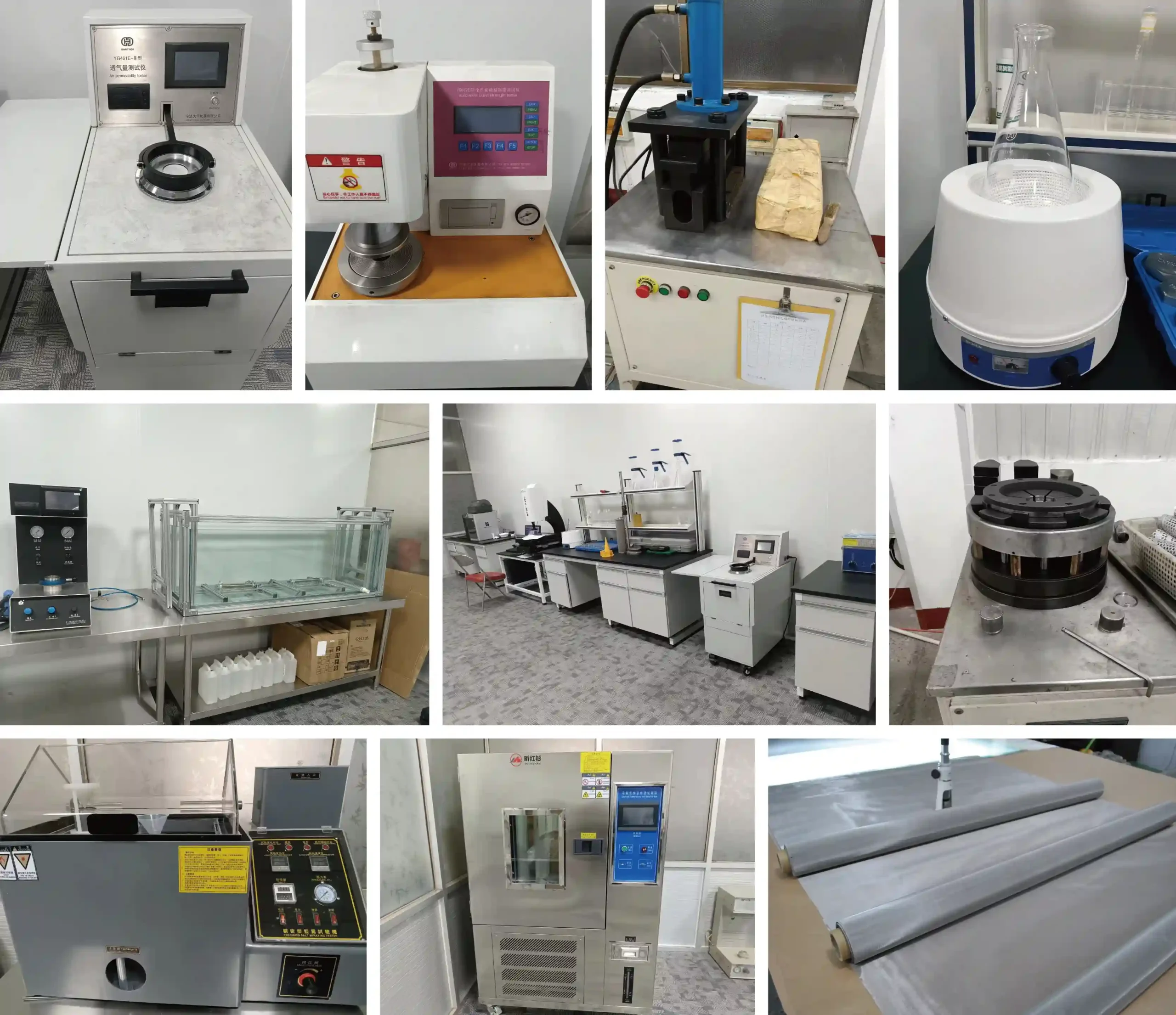
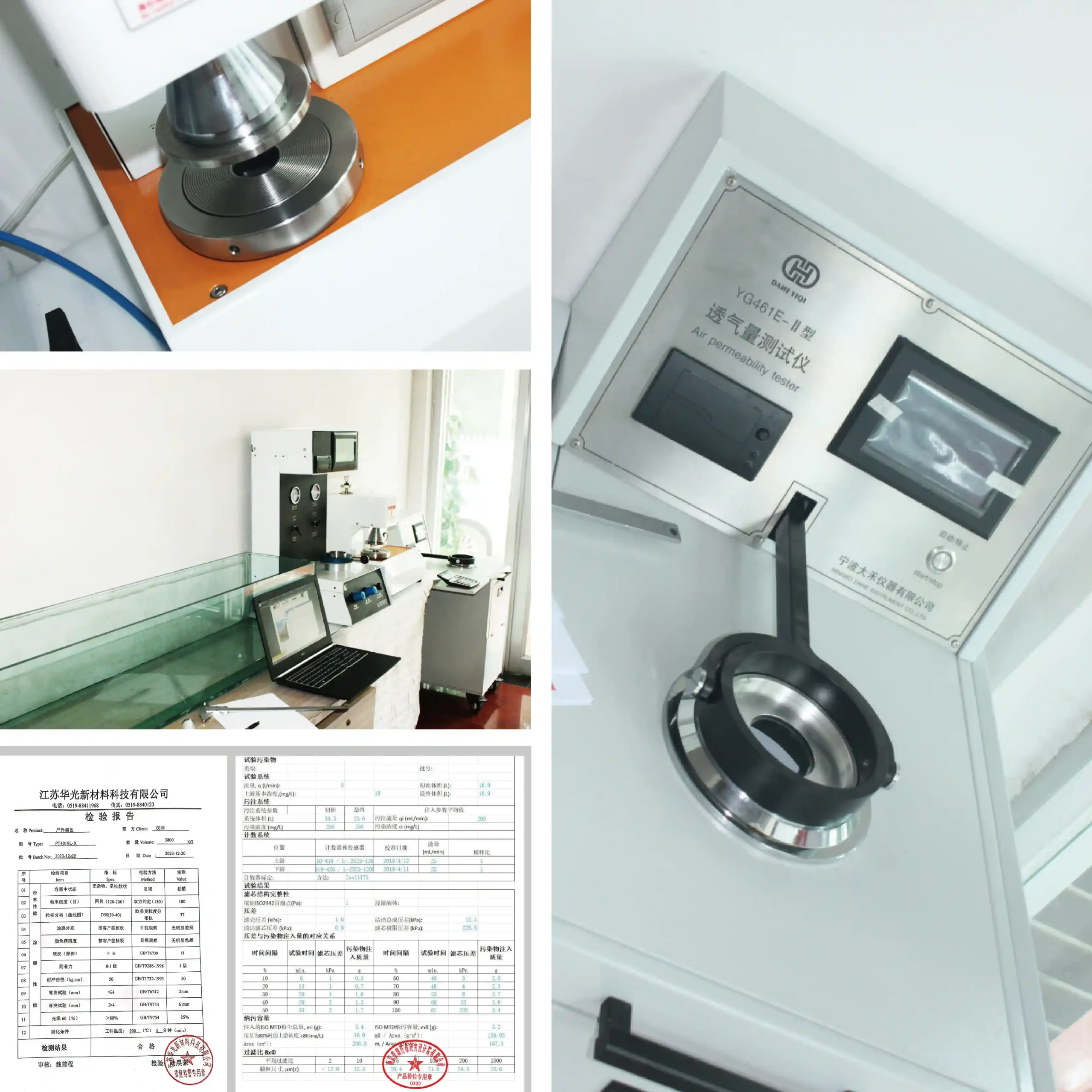
Air permeability, bubble point and final inspection records help verify pore stability, flow consistency and product release quality before shipment.

Sintered filter quality inspection equipment and test report

Quality Inspection Records

Sintered filter bubble point test equipment

Bubble Point Test

Sintered filter air permeability test equipment

Air Permeability Test

Application Coverage

Application Fields — Where Sintered Mesh Filters Are Used

Click any application below to see specific equipment, operating conditions and recommended sintered mesh construction.

Technical Support

Frequently Asked Questions — Sintered Mesh Filter

What is a sintered mesh filter element?

add

A sintered mesh filter element is a stainless steel filtration component made from multiple layers of diffusion-bonded wire mesh. The bonded structure provides stable pore size, mechanical strength and reusable service for demanding liquid, gas and polymer filtration.

When should I choose sintered mesh instead of pleated or fiber felt media?

add

Choose sintered mesh when the process requires stable pore geometry, high mechanical strength, backwash cleaning, high temperature or corrosive-fluid resistance. Pleated media is often better when more filtration area is needed, while sintered fiber felt is often better for higher dirt holding in depth filtration.

What information is needed for a custom replacement filter element?

add

Please provide micron rating, material, length, outer diameter, inner diameter, end connection, seal material, flow direction, operating temperature, pressure drop, working fluid and photos or drawings of the existing element.

Request a Quote for Sintered Mesh Filter

Provide your specifications and our team will respond with a detailed quote within 24 hours.

PDF, DWG, STEP, JPG, PNG · Max 10MB per file
Response within 24 hours · Technical drawings welcome · No minimum for samples