A stainless steel filter element can look clean and still carry surface contamination from cutting, forming, welding, handling or cleaning. In water, food, chemical or high-value process duty, that surface condition can decide whether the element stays stable or develops early staining and corrosion. Stainless steel filter element passivation is useful, but only when it is specified for the right reason.
Direct Answer: When Does Stainless Steel Filter Element Passivation Matter?
Stainless steel filter element passivation matters when the buyer needs improved surface cleanliness, removal of free iron contamination, better passive-film condition after fabrication, or a documented surface-treatment step for clean or corrosion-sensitive service. It does not change SS304 into SS316L, repair poor welds, remove all corrosion risk, or prove that the element is suitable for every chemical or cleaning process.
For custom stainless steel filter elements, passivation should be specified together with material grade, fluid chemistry, cleaning method, weld quality, surface finish, dimensions, filtration rating and required inspection records.
What Passivation Means for Stainless Steel Filters
Passivation is a surface-treatment process used to support the natural chromium-rich passive layer on stainless steel after fabrication or cleaning. In purchasing language, it usually means the part is cleaned and chemically treated under an agreed method to remove free iron or surface contaminants that could interfere with corrosion resistance.
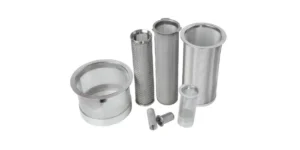
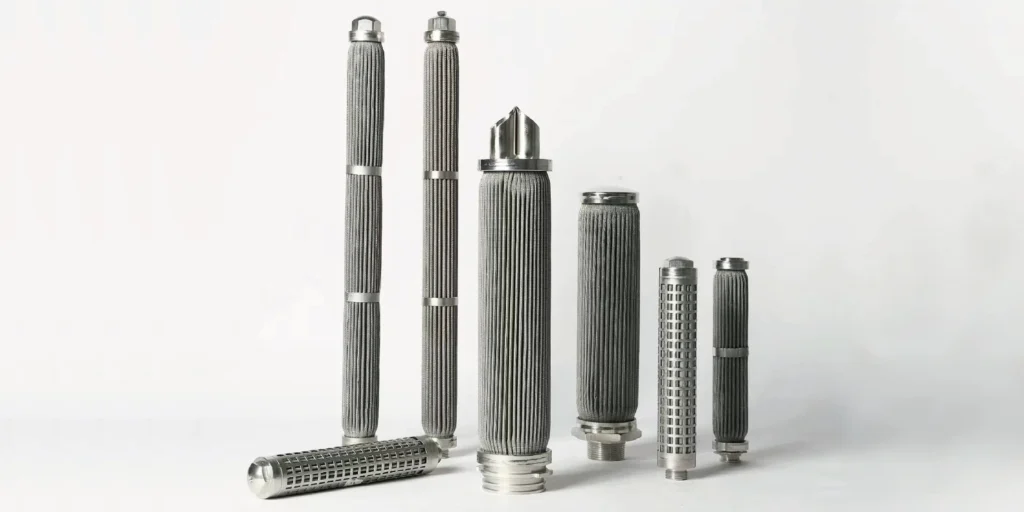
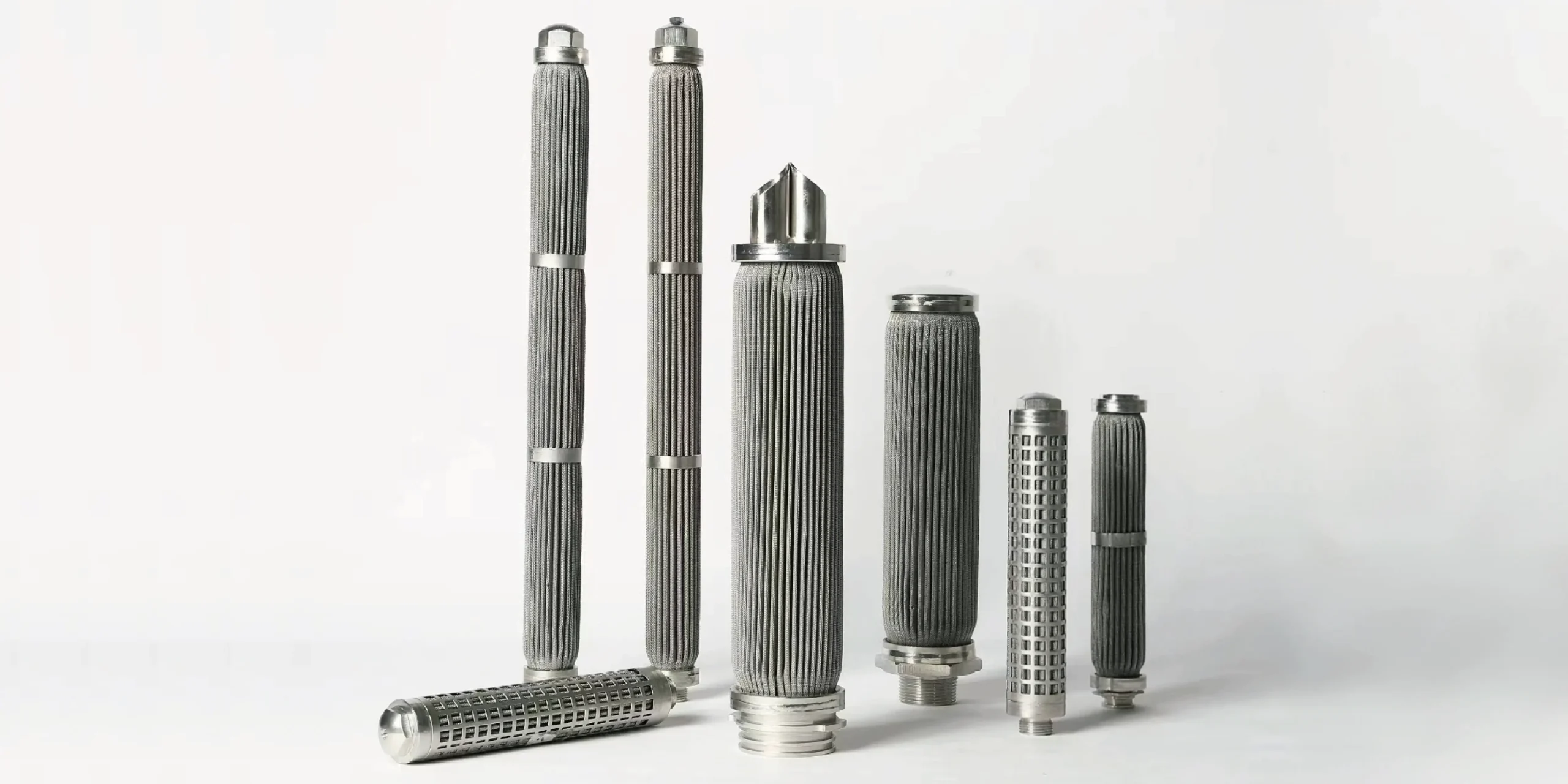
For filter elements, the details matter because the part is not a simple plate. It may include woven mesh, sintered mesh, fiber felt, perforated guards, pleats, end caps, welds, rims, handles, support tubes, threaded ends, flanges or narrow slots. Small crevices and retained particles can hold chemical residue or chloride-rich liquid against the surface.
What Passivation Can and Cannot Do
Passivation is useful, but it should not be treated as a magic corrosion guarantee.
| Passivation can help with | Passivation cannot solve by itself |
|---|---|
| Removing free iron contamination from fabrication or handling | Wrong stainless steel grade for the fluid |
| Supporting a clean passive surface after processing | High chloride, acid, caustic or temperature attack beyond material limits |
| Improving surface condition before clean service | Poor weld penetration, cracks, crevices or bad geometry |
| Providing a documented finishing step for quality control | Excessive pressure drop, media collapse or incorrect micron rating |
| Reducing avoidable staining from surface contamination | Cleaning chemicals that attack the selected alloy |
If the old filter element rusted after cleaning, ask what actually failed. Was it free iron contamination? Wrong alloy? Chloride exposure? Weld heat tint? Trapped process residue? Abrasive cleaning? Passivation can address some surface contamination issues, but it cannot change the base material or the process chemistry.
Standards and Technical References
ASTM A380/A380M is a widely used ASTM practice covering cleaning, descaling and passivation of stainless steel parts, equipment and systems. It helps separate surface preparation from material selection and fabrication quality.
ASTM A967/A967M covers chemical passivation treatments for stainless steel parts. In RFQ work, this matters because a buyer should specify the required treatment and acceptance basis rather than simply writing “passivated” without method details.
The British Stainless Steel Association explains in its passivation guidance that stainless steel needs a clean, contamination-free surface before passivation can be effective. The Australian Stainless Steel Development Association also explains pickling and passivation as separate treatments that remove contamination and support corrosion performance.
These sources share one useful buying lesson: surface treatment must be tied to the part condition. A clean machined part, a welded pleated cartridge, a sintered mesh cylinder and a food-contact filter assembly may not need the same treatment plan.
When Should You Request Passivation?
Request passivation when the surface condition is part of the performance risk, documentation requirement or cleaning expectation. It is often worth discussing before quotation when the filter will operate in water, food and beverage, chemical, pharmaceutical, marine, high-humidity or repeated-cleaning environments.
You should consider it when:
- the element is welded, formed, cut or handled after final cleaning;
- free iron contamination or staining would be unacceptable;
- the application has chlorides, cleaning chemicals or corrosion-sensitive fluids;
- the filter is used in food, beverage or other clean-service duties;
- the customer requires a passivation record;
- old elements show brown staining, pitting or corrosion near welds;
- the part has tight crevices, pleats, mesh layers, slots or perforated supports;
- the element will be cleaned and reused many times.
For food and beverage filtration, passivation may be part of a broader cleanability and documentation discussion. For petrochemical and chemical filtration, chemical compatibility and alloy selection may be more important than the passivation label alone.
Passivation vs Pickling vs Cleaning
These three terms are often mixed together in purchase orders, but they are not the same.
| Term | Main purpose | Filter element buying note |
|---|---|---|
| Cleaning | Removes oils, dirt, debris, processing residue or cleaning chemicals | Needed before reliable inspection, packaging or service |
| Pickling | Removes scale, heat tint or oxide from welding or heat treatment | May be relevant around welds, but must be compatible with the media and geometry |
| Passivation | Removes free iron and supports the passive stainless surface | Useful after fabrication or cleaning when surface condition matters |
| Electropolishing | Smooths and brightens surfaces electrochemically | May support cleanability in some duties, but it is not automatically required |
SINFT’s custom service lists cleaning, passivation, polishing and electrolytic polishing as customization options. The correct choice depends on the filter geometry, material, welded areas, cleanliness requirement and application. Do not specify every finishing word just because it sounds more complete. Ask what problem the finish is solving.
Why Filter Geometry Changes the Passivation Decision
A filter element has more surface complexity than a simple fitting. Fine mesh, sintered pores, perforated supports, wedge wire slots and pleated packs create many places where residue can remain if the process is not suitable.
For sintered mesh filter elements, passivation requirements should consider layer structure, welded ends, support tubes and cleaning after forming. For sintered fiber felt filters, the porous fiber matrix and support mesh make cleaning and chemical compatibility especially important. For pleated filter cartridges, end caps, guards, seams, cores and seal areas should be reviewed together.
For basket filters and strainers, surface treatment may focus on deburring, cleaning, passivation on request, rim fit and handle welds. For wedge wire filters, slots, support rods, end rings and weld zones may control the inspection concern.
Material Grade Still Comes First
Passivation is not a substitute for choosing the right stainless steel grade. If the fluid, chloride level, cleaning chemical or temperature is unsuitable for SS304, passivation will not make SS304 behave like SS316L or a higher alloy.
If you are deciding between grades, review material selection first. SINFT’s SS304 vs SS316L material guide is a useful internal reference, but until that draft is published, the practical rule remains simple: define the fluid and cleaning chemistry before choosing the stainless grade.
In many industrial RFQs, the order should be:
- Define the fluid, temperature, pressure and contaminant.
- Select the material grade for corrosion compatibility.
- Choose the filter media and geometry for retention, flow and cleaning.
- Specify welding, surface cleaning, passivation and documentation.
- Confirm inspection records before production.
Passivation After Cleaning or Repair
Reusable stainless steel cartridges may be cleaned by backwash, ultrasonic cleaning, chemical cleaning, steam or another qualified method depending on the element. If cleaning removes debris but leaves chemical residue, damages the surface or exposes contamination, the element can still fail early.
SINFT’s stainless steel filter cartridge cleaning guide explains why cleaning success should be judged by pressure drop, visual condition, integrity and process acceptance. Passivation may be reviewed after aggressive cleaning or repair, but critical filter elements should not be informally welded, patched or chemically treated without a defined acceptance method.
If the element is corroded, passivation is not a reset button. First identify whether the corrosion came from wrong alloy selection, process fluid, cleaning chemistry, trapped solids, surface contamination, weld condition or temperature.
What Should a Passivation Record Include?
A passivation record is useful only when it is tied to the actual part and order. A generic statement is weaker than a traceable document.
A buyer may request:
- customer name or order reference;
- part number, drawing revision or sample reference;
- stainless steel grade;
- quantity and batch identification;
- treatment method or agreed internal procedure;
- date of treatment;
- inspection or acceptance note;
- packaging condition;
- relation to material certificate or dimensional inspection report.
SINFT’s confirmed documentation capabilities include material certificate or mill test report, dimensional inspection report, optional pressure test certificate, passivation record, packaging photos and batch traceability records. If documentation matters to your customer, list it before quotation instead of asking after production.
What Buyers Should Confirm Before RFQ
Before requesting passivation for a custom stainless steel filter, send enough information for the supplier to understand the real risk:
- filter type: cartridge, tube, candle, disc, cone, basket, panel or custom assembly;
- media: woven mesh, sintered mesh, fiber felt, perforated plate, wedge wire or hybrid structure;
- stainless steel grade or special alloy requirement;
- process fluid, gas, steam or polymer;
- chloride level or known corrosion risk, if available;
- operating temperature and pressure;
- cleaning method and chemicals;
- welding, forming or heat-affected areas;
- surface finish or cleanliness requirement;
- application: hydraulic, water treatment, food and beverage, chemical, polymer, marine or other;
- drawing, old sample, photos or housing dimensions;
- required records: passivation record, material certificate, dimensional report, pressure test certificate, packaging photos or batch traceability.
If you are replacing a failed old element, include photos of the stained or corroded area. Location matters: rust near cut edges, welds, crevices, end caps or retained solids can point to different causes.
How SINFT Can Help With Passivated Filter Elements
SINFT manufactures custom stainless steel filter elements based on drawings, samples, housing dimensions and operating conditions. Confirmed capabilities include passivation and surface-cleanliness inspection, material spectrometry, dimensional inspection, metallographic analysis, pore or slot integrity verification, bubble point testing, burst pressure testing, air permeability testing, batch traceability and inspection documentation.
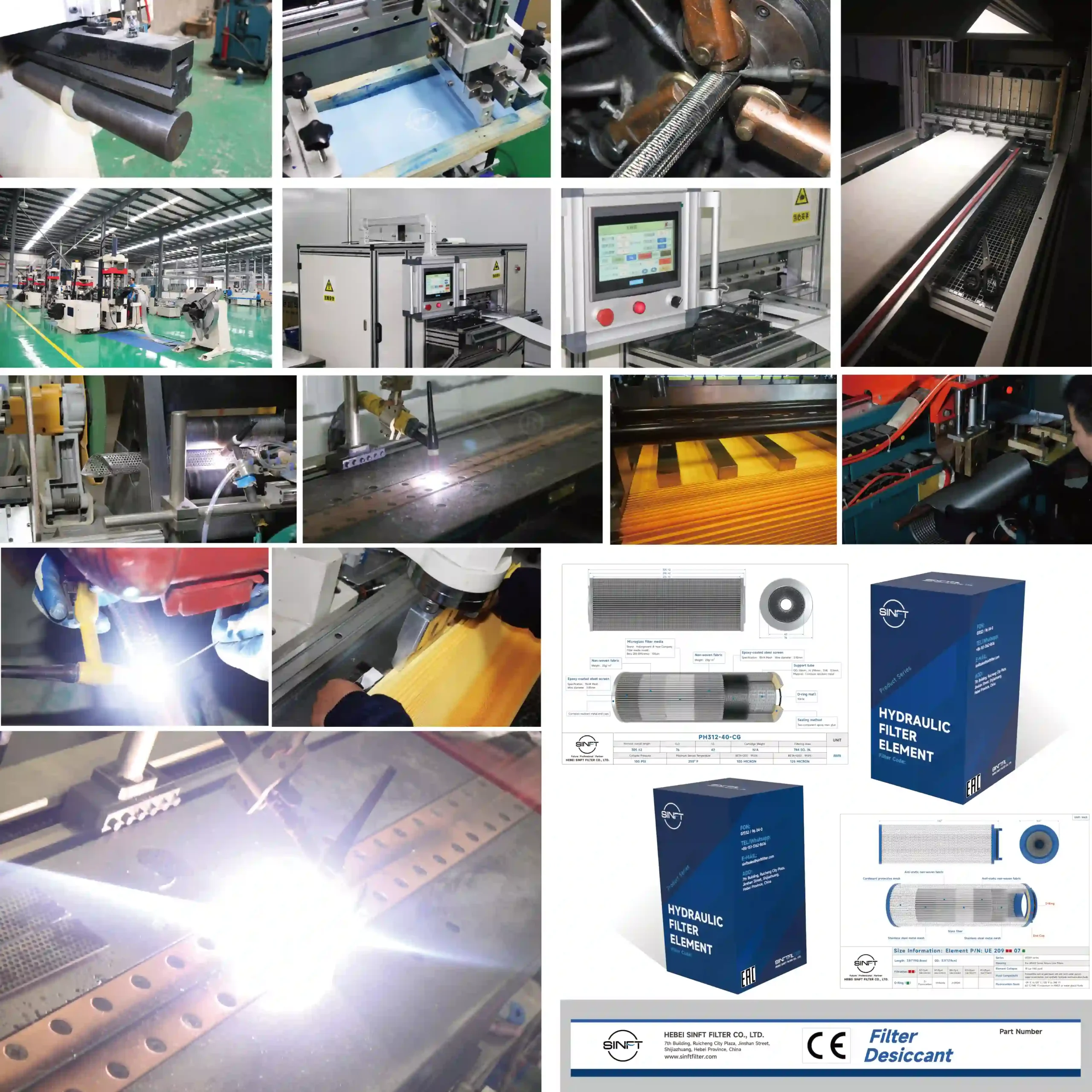
Use the custom filter manufacturer page when you need made-to-drawing parts, special materials, passivation records, non-standard end connections or old-sample replacement. For an active project, send the working medium, drawing, surface requirement and documentation list through the contact inquiry form.
Frequently Asked Questions
Does passivation make stainless steel rust-proof?
No. Passivation supports the stainless steel surface condition, but it does not make the part immune to corrosion. Chlorides, acids, caustic cleaning, high temperature, crevices, deposits, wrong alloy selection and poor weld condition can still cause failure. Treat passivation as one part of material and surface-control planning.
Is passivation required for every stainless steel filter element?
Not always. It is more important when the application is clean, corrosion-sensitive, welded, repeatedly cleaned, customer-documented or exposed to staining risk. A simple coarse industrial basket may not need the same treatment as a fine pleated cartridge for food, chemical or high-humidity service. Specify it when it reduces a real risk.
Can passivation replace SS316L?
No. Passivation cannot turn SS304 into SS316L or a higher alloy. Material grade controls the corrosion resistance available in the metal itself, while passivation addresses surface condition. If chloride exposure, cleaning chemistry or process fluid requires SS316L or another alloy, passivation alone is not an adequate substitute.
What is the difference between pickling and passivation?
Pickling is generally used to remove scale, heat tint or oxide after welding or heat treatment. Passivation supports the passive stainless surface and helps remove free iron contamination. Some projects may need cleaning, pickling and passivation; others need only cleaning and passivation. The method should match the part condition and application.
Should a passivated filter element include a record?
If the customer or application requires documentation, yes. A useful passivation record should identify the order, part, material, quantity, treatment method, date and inspection basis. It should connect to the actual batch, not remain a generic sentence. Request the record before quotation so it is included in production planning.
Can passivation remove weld discoloration?
Passivation alone may not remove heavy weld heat tint or oxide scale. Weld discoloration often needs proper cleaning or pickling before passivation. If your filter element has welded end caps, support rods, handles or seams, ask the supplier how the weld area will be cleaned, inspected and documented before passivation is accepted.
Is electropolishing the same as passivation?
No. Electropolishing is an electrochemical finishing process that can smooth and brighten stainless steel surfaces. Passivation is a chemical surface treatment focused on removing free iron and supporting the passive surface. Some clean-service applications may review both, but they should be specified separately and only when the geometry and business risk justify them.
What should I send SINFT for a passivated filter RFQ?
Send the drawing or photos, filter type, stainless grade, process fluid, temperature, pressure, cleaning chemicals, corrosion concern, surface finish requirement, quantity and required documents. If an old element failed, include close-up photos of stained, pitted or welded areas. These details help SINFT review material, treatment and inspection together.
Final Thoughts
Stainless steel filter element passivation is valuable when it controls a defined surface risk: free iron contamination, weld processing, clean-service expectations or documentation. It becomes risky when used as a shortcut for alloy selection or process compatibility. For custom filters, SINFT can review passivation together with material, media, welding, cleaning and inspection records before production.
Technical References
- ASTM International, “ASTM A380/A380M – Standard Practice for Cleaning, Descaling, and Passivation of Stainless Steel Parts, Equipment, and Systems”: https://store.astm.org/standards/a380
- ASTM International, “ASTM A967/A967M – Standard Specification for Chemical Passivation Treatments for Stainless Steel Parts”: https://store.astm.org/standards/a967
- British Stainless Steel Association, “Passivation of Stainless Steels”: https://bssa.org.uk/bssa_articles/passivation-of-stainless-steels/
- Australian Stainless Steel Development Association, “Pickling and Passivation”: https://www.assda.asn.au/stainless-steel/surface-finishes/pickling-and-passivation