Two stainless steel filter elements can have the same length and micron label yet deliver very different results. One may restrict flow during a cold start; another may fit the housing but fail to seal. If you are deciding how to select a stainless steel filter element, start with the process requirement and work through the complete assembly before comparing prices.
Direct Answer: How to Select a Stainless Steel Filter Element
Choose the element by the contaminant it must remove, the required removal efficiency, operating flow and viscosity, available pressure-drop budget, differential-pressure strength, material compatibility, temperature, housing fit, cleaning method and acceptance evidence. Each of these must refer to the same proposed construction and operating conditions.
The most useful first deliverable is a short specification sheet. It lets an engineer review the filtration duty, a manufacturer check feasibility and a buyer compare equivalent offers. A micron number, a photograph and an outside diameter provide a starting point, but leave several decisions unresolved.
The 10 Checks at a Glance
| Check | What you need to establish | What to request before ordering |
|---|---|---|
| 1. Process duty | Fluid, contaminant and downstream protection goal | Process description and operating conditions |
| 2. Retention | Particle size and required removal efficiency | Rating definition, test method and supporting data |
| 3. Media structure | Surface or depth loading and suitable geometry | Media construction and support details |
| 4. Flow and pressure drop | Required flow at actual viscosity and temperature | Clean pressure-drop estimate or curve with conditions |
| 5. Mechanical duty | Forward, reverse and transient differential loads | Assembly ratings for the specified direction and temperature |
| 6. Materials | Compatibility of every wetted component | Grade, seal and joining specifications |
| 7. Temperature | Normal, start-up, cleaning and upset exposure | Limits for the assembled element |
| 8. Fit | Seating, sealing, retention and removal clearance | Dimensioned drawing and tolerances |
| 9. Cleaning | A practical regeneration and inspection route | Approved cleaning conditions and reuse criteria |
| 10. Acceptance | Evidence that the delivered element meets the order | Agreed inspection plan and document list |
1. Define the Process Duty and the Problem to Solve
Start with the downstream result: what must this filter protect or achieve? Pump protection, nozzle protection, catalyst retention and product clarification can require different media even when they handle the same fluid.
Record whether the stream is a liquid, gas, steam or polymer melt. Include composition, normal and peak flow, temperature, viscosity and the relevant pressure conditions. For gases, specify whether the volume is actual or referenced to standard conditions, and provide absolute pressure and temperature so the supplier can interpret it correctly.
Describe the contaminant beyond an approximate particle size. Hard grit, flexible fibers, gels and sticky residue can behave differently at the same nominal dimension. Fibers may pass through an opening lengthwise or bridge it. Deformable particles may squeeze through under pressure. Heavy solids loading may require upstream coarse separation before fine filtration becomes practical.
For a replacement, record why the old element is being replaced: routine wear, short cleaning intervals, corrosion, collapse, leakage or an obsolete part. Preserve the old component and service history. Copying its shape without understanding the failure can reproduce the same problem.
2. Specify Retention Performance, Not Just a Micron Number
A useful filtration requirement states both particle size and the performance expected at that size. Ask what the supplier means by nominal or absolute rating and which test supports the claim. Definitions and test conditions must be comparable before two products can be treated as equivalent.
Where hydraulic multipass data is appropriate and available, the beta ratio compares upstream and downstream particle counts at a defined size. A beta ratio of 200 corresponds mathematically to 99.5% removal at that size under the test conditions. It does not mean every filter marked with that micron size provides that efficiency. Donaldson’s discussion of hydraulic filter testing also explains why steady and changing-flow conditions can produce different assessments.
Do not apply a hydraulic test result automatically to steam, gas, a polymer melt or a different contamination distribution. Similarly, a measured opening, bubble-point result and particle-removal efficiency describe different properties. The filter micron rating guide explains nominal and absolute ratings and the purchasing distinction.
Choose the retention target from the downstream requirement. Unnecessarily fine filtration can increase resistance, cleaning frequency and installed area. If the requirement is uncertain, agree on a trial and a measurable downstream acceptance criterion before fixing the specification.
3. Match the Media Structure to Contamination and Cleaning
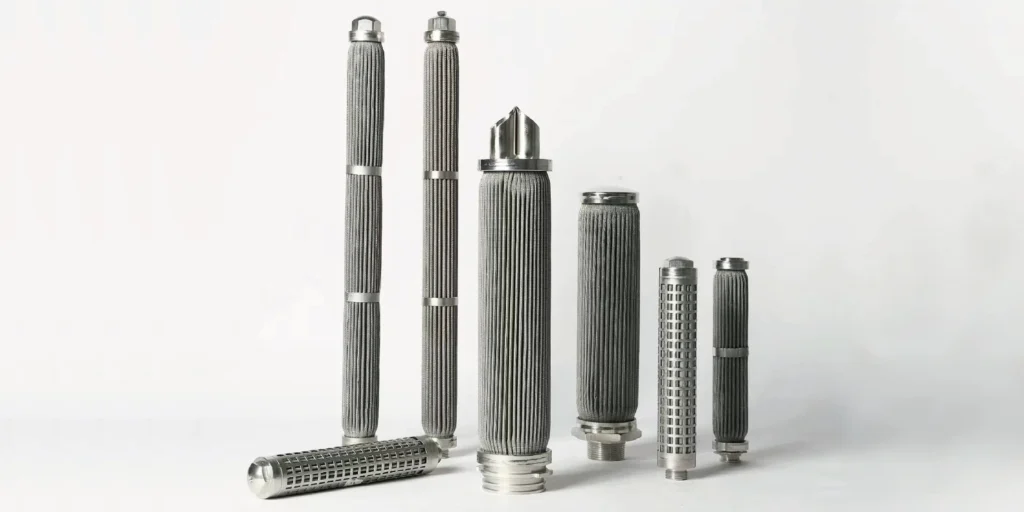
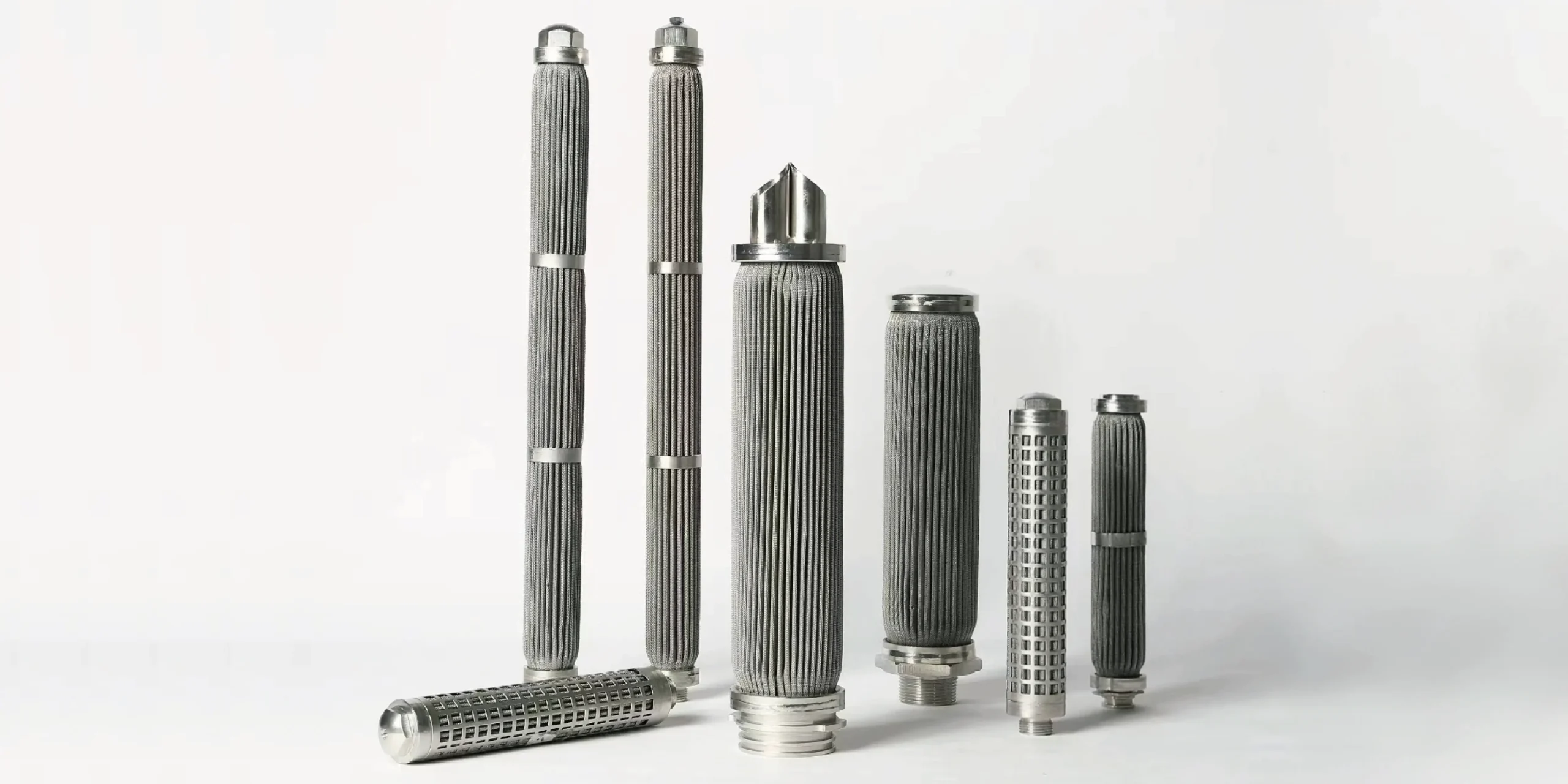
Choose the pore structure and cleaning behavior before deciding on the outside shape. A pleated cartridge can contain woven mesh, sintered mesh or metal fiber felt; “pleated” alone does not identify its retention or loading behavior.
| Media or construction | Useful selection direction | Question that can change the decision |
|---|---|---|
| Supported woven mesh | Defined woven openings and surface screening | Will the weave and support tolerate the load and cleaning? |
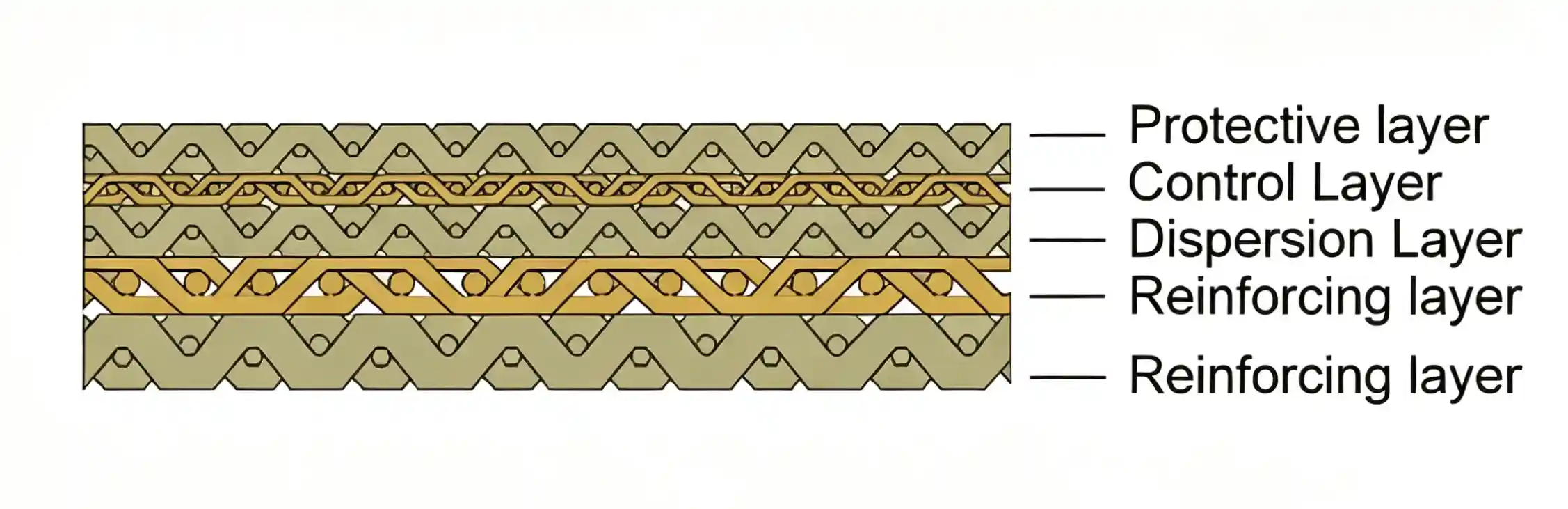
| Sintered multilayer mesh | Rigid construction, supported control layer and repeated surface cleaning | Which layer faces the incoming flow, and how is it supported? |
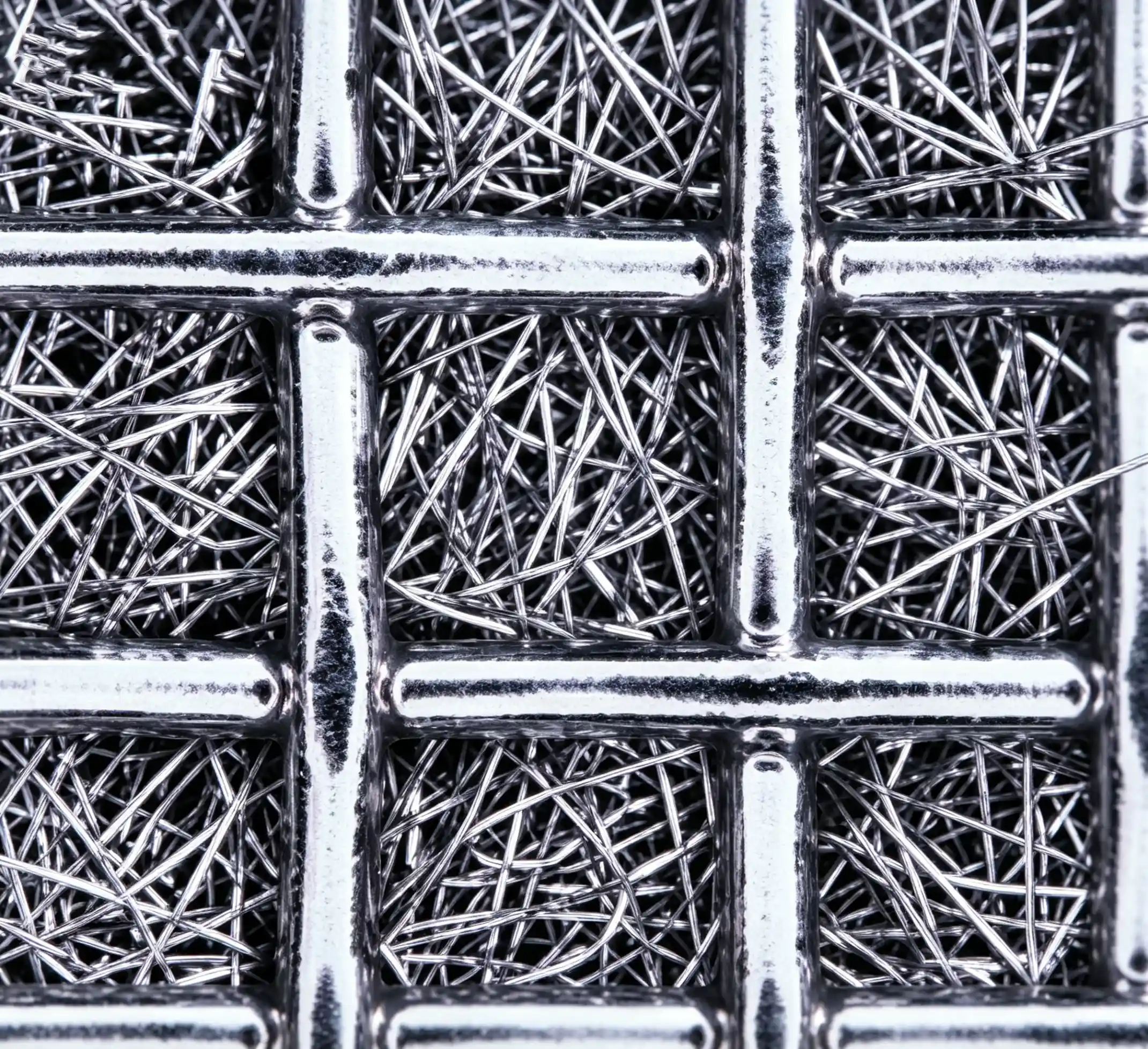
| Sintered metal fiber felt | Porous depth structure for distributed loading | Can embedded contamination be removed adequately? |
| Perforated support with mesh liner | Equipment protection and removable coarse screening | Does the liner control retention, and is the open area adequate? |
| Wedge-wire or notch-wire structure | Robust slot separation and suitable surface-cleaning duties | How do particle shape, slot direction and cleaning interact? |
Porvair’s metal-mesh guidance distinguishes woven constructions for different surface-filtration duties. In practice, specify the weave or media grade, support and assembled form together rather than treating all metal mesh as interchangeable.
SINFT’s sintered mesh filter elements are relevant when a supported multilayer structure and repeatable geometry are important. Its sintered fiber felt filters offer a different loading structure for compatible applications. Pleating either suitable medium can increase area within an existing cylindrical envelope, subject to support and spacing.
4. Check Flow at the Actual Viscosity and Temperature
Ask for clean pressure drop at your operating conditions, including cold start if viscosity rises significantly. A water-flow curve at room temperature can be a poor basis for selecting an element for oil, resin or another viscous liquid.
Provide the fluid’s dynamic viscosity with its temperature, or clearly identify kinematic viscosity and density if those are the available data. Include peak flow and the minimum acceptable downstream pressure. Ask whether the quoted pressure drop covers only the element or the complete housing, connections and element assembly.
For a fixed clean porous medium in a suitable laminar-flow regime, pressure drop tends to rise with viscosity and flow per unit area. This is a useful screening relationship, not a substitute for a curve or test on the proposed construction. Non-Newtonian fluids, compressed media, complex supports and high velocities may require a different model.
SINFT’s pleated filter cartridges can provide additional filtration area within a limited housing. However, nominal pleated area may not all remain effective when channels are crowded or bridged with contamination. Pall’s polymer-element guidance illustrates why media area, support and sealing are coordinated design choices in viscous service.
Leave room between clean pressure drop and the agreed cleaning or change limit so contamination can accumulate. For a worked explanation of the variables, see the filter pressure drop versus flow rate guide.
5. Separate System Pressure from Element Differential Pressure
System pressure and pressure difference across the media are separate design inputs. The housing may contain high line pressure while the clean element experiences a comparatively small differential. As contamination accumulates, the differential can rise even when line pressure stays nearly constant.
Specify maximum forward differential pressure, possible reverse differential pressure and the temperature at which those loads apply. Include start-up surges, valve changes, pulsation and cleaning events. Inside-to-outside and outside-to-inside flow place different demands on the core, guard, media and end joints.
A rating for a media sheet does not establish the strength of a long unsupported cylinder. Diameter, span, support spacing, seam welding and attachment to the end caps all matter. Ask for the allowable duty of the finished assembly and distinguish it from a destructive collapse or burst test result.
Where the system has a bypass valve, review its setting alongside the cleaning alarm and element limit. The equipment designer must also decide whether bypassed fluid is acceptable for the downstream process. There is no single safe replacement differential that applies to every stainless steel element.
6. Verify Materials Across All Wetted Parts
Check the media, support, end fittings, welds and seals against both the process and cleaning fluids. “Stainless steel” is incomplete purchasing language; specify the grade and any permitted substitutions.
SS304 and SS316L are common starting points, but chloride content, pH, temperature, deposits and cleaning chemicals can change suitability. Outokumpu’s corrosion guidance identifies the environment, surface condition and fabrication as interacting factors in stainless corrosion. A more resistant media does not protect an unsuitable end cap or seal.
Ask whether all wetted metal components share the stated grade, how mixed metals are handled and which seal compound is proposed. Review any special-alloy requirement against the available wire, fiber, sheet and fabrication route. SINFT’s filter element material selection guide covers this wider review, while the SS304 versus SS316L comparison explains the common stainless decision.
For a failed replacement, identify where attack began. Damage near a weld, in a seal groove or beneath deposits may point to a localized condition that an alloy label alone cannot explain.
7. Check the Entire Temperature Cycle
Approve temperature capability for the assembled element, including seals and joints, over the complete duty cycle. The base metal’s temperature resistance does not establish the allowable operating temperature of every finished cartridge made from it.
List normal operation, cold start, steam cleaning, hot chemical cleaning, shutdown and credible upset exposure. Record duration and cycling frequency where thermal expansion or fatigue could affect the design. A short cleaning event can set the limit even when the production fluid is relatively cool.
Ask whether differential-pressure ratings are valid at the maximum intended temperature. Also review changes in viscosity, corrosion behavior and sealing performance. Hot-gas service introduces atmosphere-specific questions, while steam or cooling can create condensate conditions that differ from dry operation.
Avoid combining the highest temperature from one product family with the highest differential pressure from another. The quotation and drawing should identify a compatible combination for the actual construction.
8. Confirm Housing Fit, Sealing and Retention
A replacement must locate, seal and remain retained correctly inside the housing. Matching overall length and outside diameter is only part of that check.
Provide a dimensioned drawing or a sample supported by measurements. Record OD, ID, overall length, seating-face dimensions, insertion depth, seal position, groove geometry, flange or thread details and the orientation of closed and open ends. Identify the datum used for each critical length so the manufacturer measures from the same reference surface.
DOE, 222, 226, threaded and flanged ends require their own mating details. Even when an interface name is familiar, confirm the seal, retention feature and housing seat. Worn samples may no longer represent the original dimensions; measure the housing where necessary rather than copying damage.
Check removal clearance, handle position and access to the housing closure. A longer element can look acceptable on a drawing but be impossible to remove beneath nearby pipework. Agree dimensional tolerances and any sample-fit approval before releasing a replacement batch.
9. Establish a Realistic Cleaning and Reuse Plan
Choose a reusable element only when the contamination can be removed by an available, compatible method. Metal construction alone does not establish an unlimited service life or guarantee restoration after fouling.
Identify whether the process can use reverse flow, air blowing, ultrasonic cleaning, chemical cleaning or a validated combination. Define chemical concentration, temperature, exposure time, rinse and drying requirements. For reverse cleaning, confirm the available pressure and the allowable reverse differential of the assembly.
Surface cake can sometimes release more readily than contamination embedded in a depth structure. Sticky gels, scale and polymerized residue require particular attention. Cleaning that restores flow can still leave a damaged pore structure or joint, so specify an inspection or integrity check appropriate to the duty.
Define reuse criteria before purchase: acceptable clean resistance under comparable conditions, required retention or integrity evidence, visual condition, seal condition and dimensional stability. Repeatedly shorter intervals or incomplete recovery justify investigation rather than simply increasing cleaning force. For systems designed around reverse cleaning, review backwash filter cartridges alongside the system’s actual cleaning arrangement.
10. Agree on Acceptance Evidence and Compare Equivalent Quotes
Write acceptance requirements into the enquiry and order before the supplier starts manufacturing. A material certificate, dimensional report and filtration test answer different questions; one document cannot establish all three.
Specify the drawing revision, material identification and traceability, critical dimensions, visible weld and surface requirements, and the functional checks relevant to the construction. If a test is required, agree the method, conditions, sample quantity, acceptance criterion and report format. Do not assume every catalogue test is performed on every delivered piece.
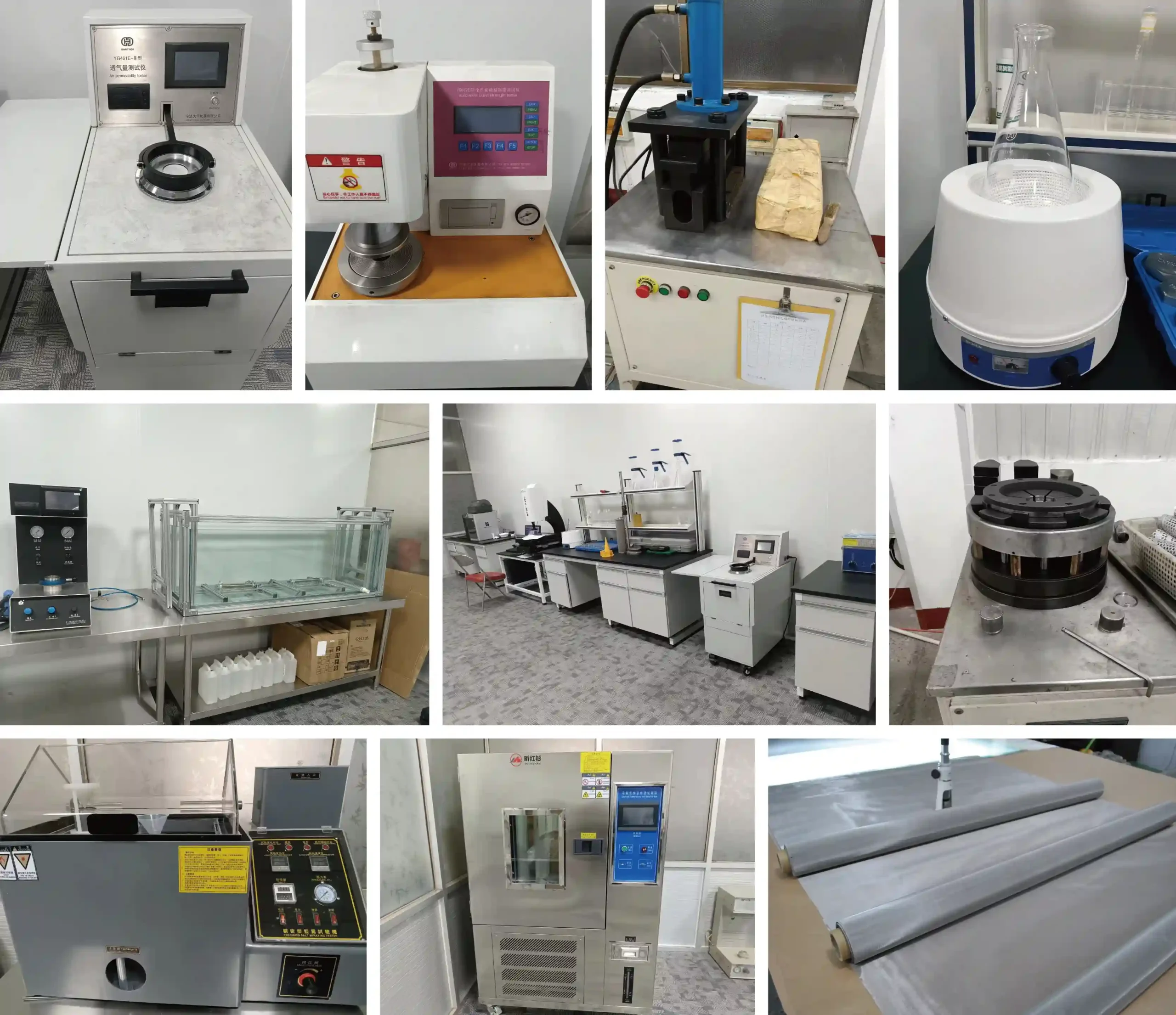
SINFT lists material verification, dimensional inspection, bubble point, air permeability and pressure-related testing among its capabilities, with the applicable inspection scope agreed for the order. The filter element testing methods guide explains how to separate material, fit, pore integrity, flow resistance and mechanical strength.
When comparing quotations, line up media, effective area, retention basis, material, supports, fittings, seals, inspection and quantity. Then evaluate cleaning effort, spare availability and expected downtime using your plant’s evidence. A lower initial price is difficult to assess if the compared assemblies have different operating limits or document requirements.
Applying the Checks to Different Duties
In hydraulic and lubrication filtration, give early attention to downstream cleanliness, cold-start viscosity, pressure cycling and bypass behavior. A replacement that fits correctly still needs retention and strength appropriate to the system.
For polymer melt filtration, viscosity, gel behavior, temperature, support and cleaning feasibility can dominate the choice. A room-temperature water curve alone cannot establish the expected operating resistance.
In water or chemical processing, contamination load and compatibility can outweigh a preference for a particular cartridge shape. Compare a supported surface medium with a depth medium based on the particles and intended cleaning. Select a coarse protective stage where necessary instead of expecting one fine element to handle every contaminant.
Example: A Replacement That Fits but Reaches Its Alarm Too Quickly
Consider an illustrative oil-filtration enquiry: the replacement fits the existing housing and carries the same micron label, but its pressure-drop alarm activates during cold starts. This is a hypothetical selection example, not a SINFT customer case.
The investigation should first compare actual cold viscosity and peak flow with the conditions used for sizing. Next, compare the two elements’ effective area, support resistance and retention test basis. Check installation direction and housing passages. Confirm the alarm and bypass settings against the approved equipment specification.
The resulting change could involve area, media construction or the operating procedure; changing alloy or choosing a coarser micron label without this review would not establish the cause. Send the existing and proposed drawings plus measurements to the supplier so the comparison uses the same duty.
What to Send with Your RFQ
Attach a drawing, photographs or an old sample and provide a short specification containing:
- Process: fluid composition, contamination type and loading, required downstream result.
- Retention: micron rating or slot size, efficiency requirement and accepted test basis.
- Hydraulics: normal and peak flow, viscosity with temperature, clean pressure-drop budget.
- Loads: operating/design pressure, maximum forward and reverse differential, flow direction.
- Temperature: normal, start-up, cleaning and upset conditions, including exposure duration.
- Materials: requested metal grades, seal material and all cleaning chemicals.
- Geometry: OD, ID, length, end connection, seal location, housing seat and tolerances.
- Maintenance: cleaning method, available reverse-flow conditions and reuse criteria.
- Quality: required certificates, traceability, inspection and sample-approval requirements.
- Supply: prototype quantity, batch quantity, required delivery date and spare needs.
Mark unavailable data explicitly. The supplier can then identify what can be reviewed from a sample and what still needs process measurements. Keep the approved specification attached to the purchase order so manufacturing and incoming inspection use the same basis.
How SINFT Can Help
SINFT manufactures custom stainless steel filter elements using drawings, old samples, housing dimensions and operating data. For a new selection or replacement, the review can cover media construction, material, support, connection, seal position, cleaning and agreed inspection requirements.
The custom filter manufacturing service is suited to enquiries where a standard catalogue item does not define the complete assembly. Submit your drawing and the RFQ information through the technical inquiry form, including the current failure pattern if you are replacing an element. This gives the engineering discussion a clear starting point and helps produce comparable specifications before batch purchase.
Frequently Asked Questions
Is a smaller micron rating always better?
No. Choose the retention level needed by the downstream equipment or product. Finer media may increase flow resistance, loading rate and cleaning frequency. Ask for the efficiency and test conditions behind the micron label, then check whether the required flow is possible within the available pressure-drop budget. If the target is uncertain, agree a trial with measurable acceptance criteria.
Can I select a filter by flow rate alone?
Flow rate is only one input. The same flow can create very different resistance as viscosity, temperature, pore structure, area and support change. Include normal and peak flow, fluid properties and allowable clean pressure drop. For gases, specify the volume reference conditions. Also check contamination load because a clean-flow calculation does not predict the complete cleaning interval.
Should I choose sintered mesh or metal fiber felt?
Consider how particles will load and how the element will be cleaned. Sintered mesh provides a supported woven structure often considered for surface filtration and repeated washing. Metal fiber felt offers a porous depth structure that can hold contamination internally. Compare retention, clean resistance, support and cleaning recovery under your duty rather than selecting from the material name alone.
Does a stainless steel element have the same pressure rating as its housing?
Not necessarily. The housing contains system pressure, while the element has limits related to differential pressure, support, flow direction and temperature. Record both requirements. Confirm the finished element’s allowable forward and reverse differential loads, and distinguish those limits from destructive test results. A high housing pressure rating does not establish the cartridge’s collapse resistance.
Can SINFT reproduce an element from an old sample?
A sample can support replacement review, but its condition and the operating duty still matter. Supply process data, photographs and any original drawing or part number. Identify worn or damaged areas and verify critical housing dimensions. The proposed replacement should have an agreed drawing, material specification, seal arrangement and acceptance criteria before a production batch is released.
How many times can a stainless steel filter be cleaned?
There is no universal cycle count. Reuse depends on the contamination, media, cleaning chemistry, temperature, mechanical load and inspection results. Establish cleaning and rejection criteria for the application. Compare recovery under consistent test conditions and check for corrosion, cracks, deformation and seal damage. Restored flow alone does not prove that the element still meets its retention requirement.
What should I do if a supplier only provides a micron rating and dimensions?
Request the missing performance and assembly information before treating the offer as equivalent. Ask about the rating basis, media, effective area, material, supports, flow direction, clean pressure drop, differential limits, seals and inspection scope. A dimensionally correct element may still behave differently in service. Use the same specification sheet when asking multiple suppliers to quote.
Final Thoughts
Select a stainless steel filter element by checking the complete duty and assembly before comparing quotations. Retention, flow, strength, compatibility, fit and cleaning all influence whether it will work in your system. Use the ten checks to build a clear specification, identify missing data and agree the evidence needed for acceptance. SINFT can review that specification alongside a drawing or old sample for custom manufacturing or replacement.