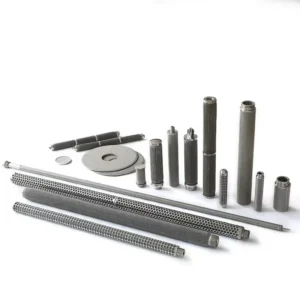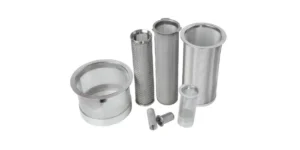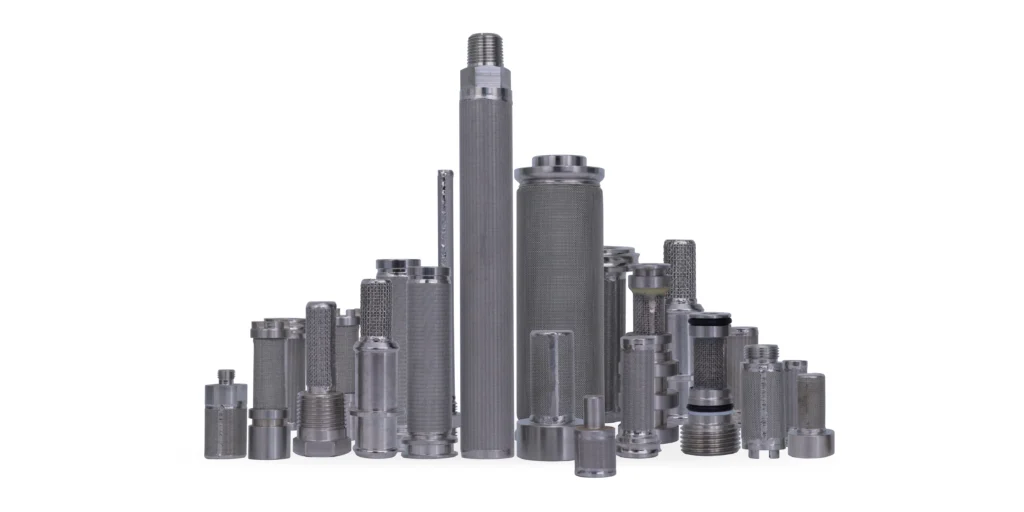
A sintered mesh filter often stays in service long after a disposable element would be replaced, but reusability is not automatic. When differential pressure climbs faster than usual or flow does not recover after rinsing, the real question is not simply how to clean it. You need to know what blocked it, whether the media can tolerate the cleaning method and how recovery will be verified.
Direct Answer: Can a Sintered Mesh Filter Be Cleaned and Reused?
Yes, many sintered mesh filters can be cleaned and reused because the filter medium is a rigid all-metal structure. Cleaning is practical when the retained particles, oil, scale, polymer, catalyst, carbon or process residue can be removed without damaging the stainless steel alloy, welds, seals or pore structure.
Sintered mesh filter cleaning should be selected by contaminant type, flow direction, micron rating, support structure and operating history. A filter that looks clean may still have blocked pores, reduced permeability or damaged welds, so recovery should be checked by pressure drop, flow, air permeability, bubble point or another agreed acceptance method.
For replacement or custom projects, SINFT manufactures sintered mesh filter elements from stainless steel woven mesh layers, with options for cartridge, tube, disc, cone, panel, basket and welded assembly forms.
Why Sintered Mesh Filters Are Often Cleanable
Sintered mesh is cleanable because multiple woven metal mesh layers are bonded into a stable, self-supporting porous structure. Unlike disposable polymer cartridges, the media does not depend on a fragile fibrous mat or resin-bonded layer. When the alloy, welds and geometry are suitable, reverse flow, air blowing, ultrasonic cleaning or compatible chemical cleaning may restore usable flow.
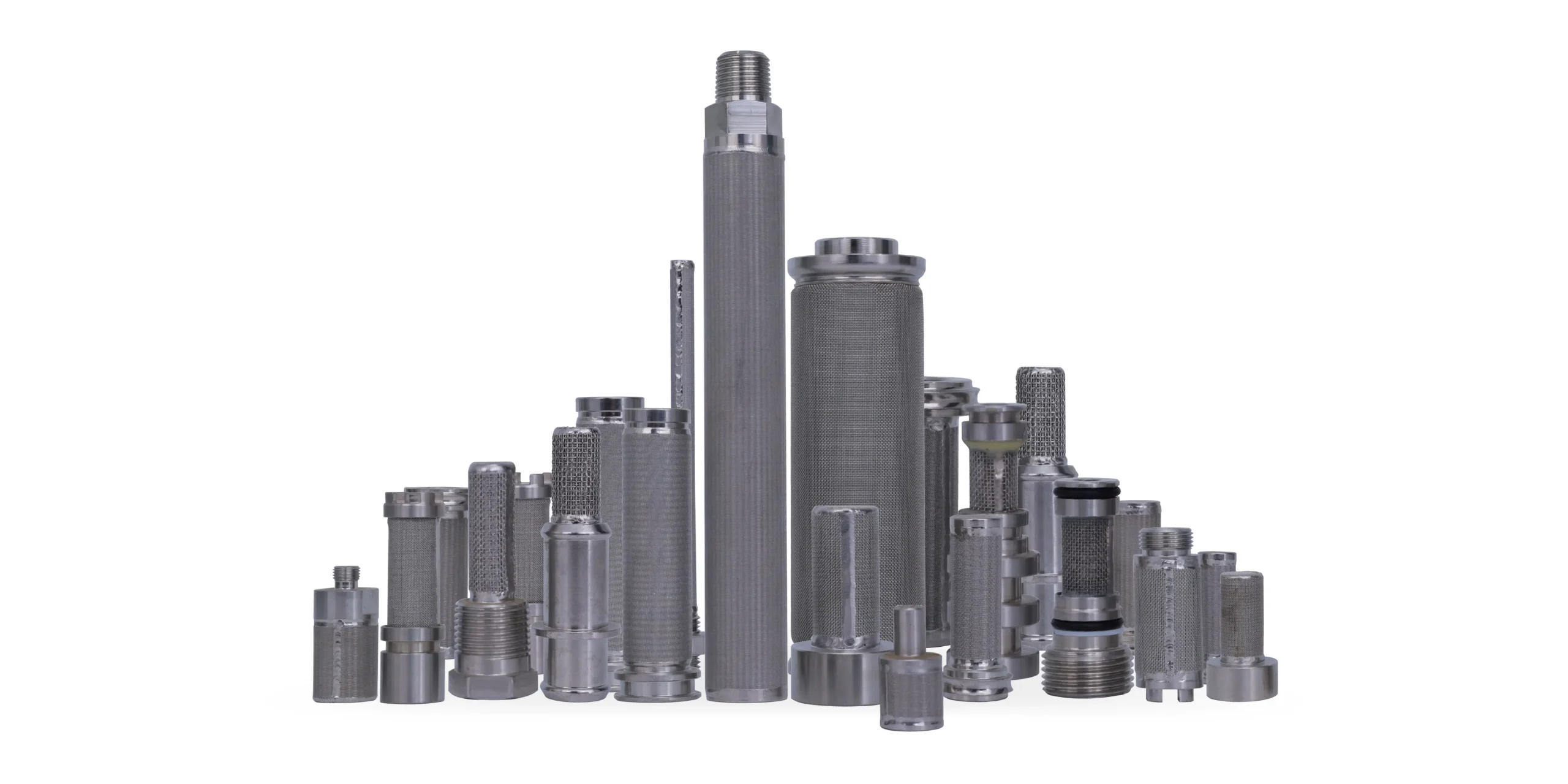
The important word is “may.” A rigid metal element can still be permanently blinded if particles embed deeply, if polymer carbonizes in the pores, if scale bonds to the surface, if cleaning chemicals attack the alloy or if the element has been mechanically damaged.
That is why a good cleaning decision begins with diagnosis, not a stronger cleaning chemical.
Cleaning Methods and When They Fit
No single cleaning method fits every sintered mesh filter. The method should match the contaminant, the filter rating, the alloy, the seal material and whether the element can be cleaned in place or must be removed.
| Cleaning method | Best suited for | Main buying or maintenance caution |
|---|---|---|
| Backwash / backflush | Loose particles, cake on the upstream surface, systems designed for reverse flow | Confirm reverse-flow direction and avoid exceeding the element’s allowable differential pressure |
| Back-blowing with air or gas | Dry powders or gas filtration dust, when compatible with the process | Use clean gas and avoid driving particles deeper into fine media |
| Ultrasonic cleaning | Fine particles trapped near the surface or in small openings | Needs a compatible cleaning bath and full rinsing/drying afterward |
| Chemical soaking or circulation | Oils, organic deposits, mineral scale or process residue that can be dissolved | Cleaning agent must be compatible with stainless grade, welds, gaskets and process requirements |
| Thermal cleaning | Some polymer or organic residues under controlled conditions | Can affect alloy condition, surface oxidation or element geometry if misapplied |
| Replacement | Damaged media, cracked welds, wrong material, unrecoverable pressure drop or unknown contamination | Often safer than repeated aggressive cleaning when process risk is high |
Mott’s porous metal filter guidance describes clean-in-place backwash or pulse cleaning as part of some porous metal systems and notes that embedded particles may eventually require more intensive cleaning. Norman Filter’s stainless steel element cleaning guidance also separates wire mesh, random metal fiber and porous sintered materials, reinforcing the same practical idea: cleaning has to start from the contaminant and the media type, not from a generic wash cycle.
Start With the Fouling Pattern
Before cleaning, identify what is blocking the filter. If you do not know the foulant, the cleaning method can move the problem, hide it or make it worse.
Common fouling patterns include:
- hard particles captured on the upstream surface;
- fine particles lodged inside the control layer;
- sticky oil, grease or wax;
- polymer melt residue or carbonized polymer;
- catalyst, pigment, resin, scale or mineral deposits;
- corrosion product from upstream piping;
- biological or process residue in water systems;
- mixed solids that form a compressible cake.
If your filter plugs quickly after every cleaning, ask whether the system problem is really upstream contamination, undersized filter area, wrong micron rating, wrong flow direction or a media type that is not suitable for that contaminant. Cleaning can restore a filter, but it cannot fix a mis-sized filtration stage.
What Not to Do When Cleaning Sintered Mesh
The biggest cleaning mistake is treating a precision filter element like a piece of scrap metal. Mechanical force can damage the mesh, smear pores, loosen welds or deform the cylinder.
Avoid:
- wire brushing the filtration surface;
- scraping fine mesh with hard tools;
- sand blasting, glass bead blasting or abrasive cleaning;
- hammering an element to remove cake;
- using unknown acids, caustics or solvents without material review;
- cleaning with dirty rinse water that can recontaminate the media;
- drying in an environment that deposits dust back into the pores;
- reinstalling the filter without checking pressure drop or integrity.
If the element is used in food, beverage, pharmaceutical, polymer, chemical or high-purity service, cleaning residue can be as serious as the original dirt. Rinse, drying, packaging and handling should match the application’s cleanliness requirement.
How to Verify Cleaning Recovery
A cleaned sintered mesh filter should be accepted by performance recovery, not by appearance alone. A shiny outside surface does not prove the pores are open.
Useful checks may include:
- clean pressure drop at a defined flow rate;
- flow recovery compared with a new or baseline element;
- air permeability comparison;
- bubble point or pore integrity test when required;
- visual inspection of welds, seams, end caps and support tube;
- dimensional inspection if the element may have deformed;
- surface-cleanliness or passivation record when specified;
- packaging photos or batch traceability for controlled orders.
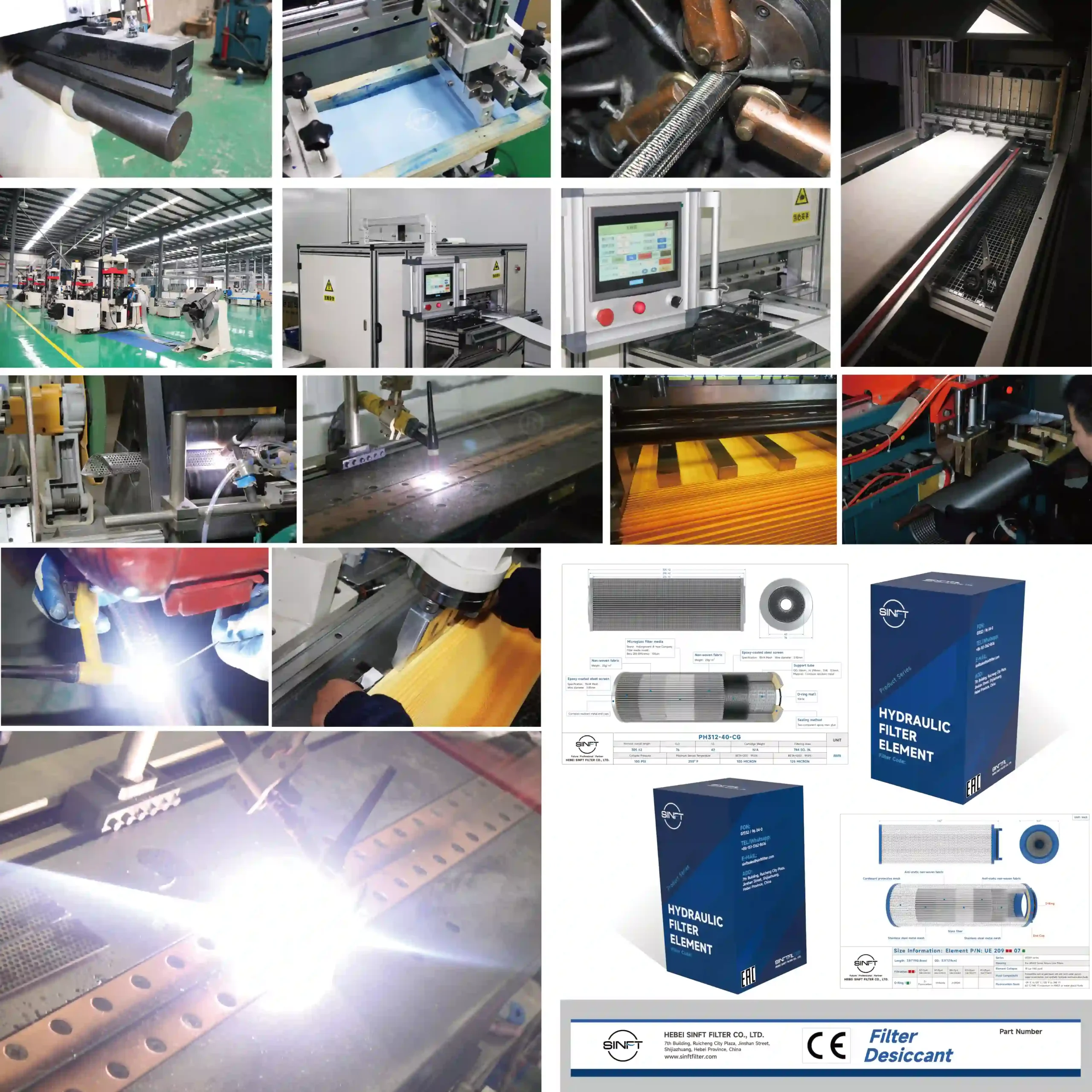
SINFT’s confirmed inspection capabilities include dimensional inspection, material spectrometry, metallographic analysis, pore or slot integrity verification, bubble point testing, burst pressure testing, air permeability testing and batch traceability. In published selection content, the filter pressure drop guide and filter micron rating chart also help buyers separate flow recovery from filtration-rating questions. These checks are especially useful when a cleaned element is being evaluated against a replacement part or a repeat production batch.
Cleaning vs Replacing: A Practical Decision Framework
Clean the filter when recovery is measurable and the cleaning risk is lower than the replacement risk. Replace it when damage, wrong material, wrong design or uncertain contamination creates a higher process risk.
| Situation | Practical decision |
|---|---|
| Pressure drop returns close to baseline after approved cleaning | Keep using the element and record the cleaning interval |
| Pressure drop improves only slightly after repeated cleaning | Review contaminant, micron rating, filter area and replacement design |
| Rust, pitting or chemical attack is visible | Review material grade and process chemistry before reuse |
| Welds, end caps or seams are cracked or distorted | Replace or remanufacture; cleaning will not repair structure |
| Fine mesh is blinded by unknown residue | Consider lab review, controlled cleaning trial or replacement |
| Cleaning interval keeps getting shorter | Check upstream solids load, area, flow rate and differential pressure limits |
| Application requires traceability or customer audit | Define cleaning, inspection and records before the order |
For general metal cartridge maintenance, SINFT’s stainless steel filter cartridge cleaning guide explains pressure drop, cleaning method and replacement timing across different cartridge structures. For sintered mesh specifically, the layer structure and support configuration deserve extra attention.
Product and Application Fit
Sintered mesh filters are often chosen when a process needs stable pore structure, mechanical strength, temperature resistance, pressure resistance and cleanability. SINFT’s product page lists stainless steel woven mesh sintered into 2-7 layers, with common five-layer structures and custom cartridge, disc, cone, panel, basket and welded forms.
For hydraulic and lubrication filtration, cleaning decisions often depend on pressure drop, oil cleanliness target and whether metallic wear debris is embedded in the media. For polymer melt filtration, the concern may be gel, carbonized polymer or high-viscosity residue. For water treatment filters, scale, biological residue and upstream solids can change the cleaning plan.
If repeated cleaning is part of the system design, compare sintered mesh with backwash filter cartridges and wedge wire filters. Wedge wire slots can be easier to surface-clean in some coarse separation duties, while sintered mesh may be preferred when finer, stable woven-mesh filtration is needed.
What Buyers Should Confirm Before RFQ
Before asking for a replacement or custom cleaned-service sintered mesh filter, send enough information for the supplier to judge both filtration and maintenance:
- filter form: cartridge, tube, candle, disc, cone, panel, basket or custom assembly;
- stainless grade or special alloy requirement;
- filtration rating and whether it is nominal or absolute;
- mesh layer structure, if known;
- OD, ID, length, end cap and seal details;
- flow direction and normal flow rate;
- clean and terminal differential pressure;
- operating pressure and temperature;
- process fluid, gas, steam or polymer;
- contaminant type, particle load and fouling pattern;
- current cleaning method and cycle;
- chemicals, solvents, steam, ultrasonic cleaning or backwash conditions;
- photos of plugged, corroded, cracked or deformed areas;
- old sample, drawing, part number or housing dimensions;
- required documents: material certificate, dimensional report, pressure test certificate, passivation record, packaging photos or batch traceability.
If you have baseline data from a new element, include it. A supplier can make a better recommendation when pressure drop, flow and cleaning interval are part of the RFQ instead of being discovered after production.
How SINFT Can Help With Cleanable Sintered Mesh Filters
SINFT manufactures custom stainless steel filter elements and sintered mesh elements according to drawings, samples, housing dimensions and operating conditions. When an old element no longer cleans effectively, SINFT can review media type, stainless grade, end connection, support tube, weld layout, flow direction, cleaning method and required inspection records before making a replacement.
For projects where cleaning and repeated reuse are important, use the custom filter manufacturer page to define dimensions, materials, filtration target, flow, pressure drop, corrosion risk and cleaning method. For active replacement work, send photos, drawings and operating data through the contact inquiry form.
Frequently Asked Questions
Can every sintered mesh filter be cleaned?
No. Many sintered mesh filters are cleanable, but the result depends on contaminant type, stainless grade, pore structure, weld condition, pressure history and cleaning chemistry. If particles are deeply embedded, polymer is carbonized or the media is chemically attacked, cleaning may not restore performance. Confirm recovery by flow or pressure drop, not appearance.
What is the best way to clean a sintered mesh filter?
The best method depends on what blocked the filter. Loose solids may respond to backwash or back-blowing. Fine particles may need ultrasonic cleaning. Oils, scale or organic residue may require compatible chemical cleaning. Start from the foulant and alloy compatibility. A stronger chemical is not better if it attacks stainless steel, welds or seals.
Can ultrasonic cleaning damage sintered mesh?
Ultrasonic cleaning can be useful for fine particles, but it still needs the correct bath chemistry, handling and rinsing. Very delicate assemblies, damaged welds or incompatible residues may create risk. If the element is critical, compare pressure drop or permeability before and after cleaning, and inspect end caps, seams and support areas before reinstalling it.
Should I backwash a sintered mesh filter from the clean side?
Usually, backwash or backflush works by reversing the normal flow direction to dislodge captured particles from the upstream side. The exact method depends on the housing, support structure and allowable differential pressure. Do not assume any element can tolerate high reverse pressure. Confirm flow direction and pressure limits before applying reverse flow.
How do I know if cleaning has worked?
Check whether pressure drop, flow rate or air permeability returns to an acceptable baseline under the same test condition. Visual appearance is not enough because pores can remain blocked internally. For critical elements, bubble point, pore integrity, dimensional inspection or surface-cleanliness checks may be required before the element is accepted for reuse.
When should I replace instead of clean?
Replace the element when cleaning does not recover flow, the cleaning interval becomes too short, welds or end caps are damaged, the filter is corroded, the material is wrong for the fluid or the media is permanently blinded. Replacement is also safer when the process cannot tolerate uncertain contamination or undocumented cleaning residue.
Can chemical cleaning remove polymer residue from sintered mesh?
Sometimes, but polymer residue can be difficult because it may soften, smear, carbonize or lodge inside the media. Chemical cleaning must match the polymer, alloy, seals and safety rules. For polymer melt service, send SINFT the polymer type, operating temperature, old element photos and cleaning history before deciding whether to clean or replace.
What should I send SINFT for a replacement sintered mesh filter?
Send the old element photos, drawing, OD, ID, length, end connection, seal position, micron rating, material, flow direction, pressure drop, working medium, contaminant, cleaning method and required documents. If the old element failed after cleaning, include close-up photos of plugged, corroded or cracked areas so the replacement design can be reviewed.
Final Thoughts
Sintered mesh filter cleaning is useful when the contaminant can be removed and recovery can be verified. It becomes risky when cleaning is used to hide wrong material, undersized area, chemical attack or damaged welds. If your reusable element no longer returns to stable pressure drop, SINFT can review the old sample and manufacture a replacement matched to the actual operating conditions.
Technical References
- Mott Corporation, “Industrial Porous Metal Filter Elements”: https://www.mottcorp.com/product/process-filters-skids-elements/porous-metal-filter-elements/
- Norman Filter Company, “How To Clean Your Filter Elements”: https://www.normanfilters.com/latest-news.html/2019/01/09/filter-focus-cleaning-your-stainless-steel-filter-elements/
- Filtersource.com, “Suggested Cleaning/Regeneration Method for Porous Metal Filters”: https://help.filtersource.com/hc/en-us/articles/360001368234-Suggested-Cleaning-Regeneration-Method-for-Porous-Metal-Filters
- ASTM International, “ASTM A380/A380M – Standard Practice for Cleaning, Descaling, and Passivation of Stainless Steel Parts, Equipment, and Systems”: https://store.astm.org/standards/a380